

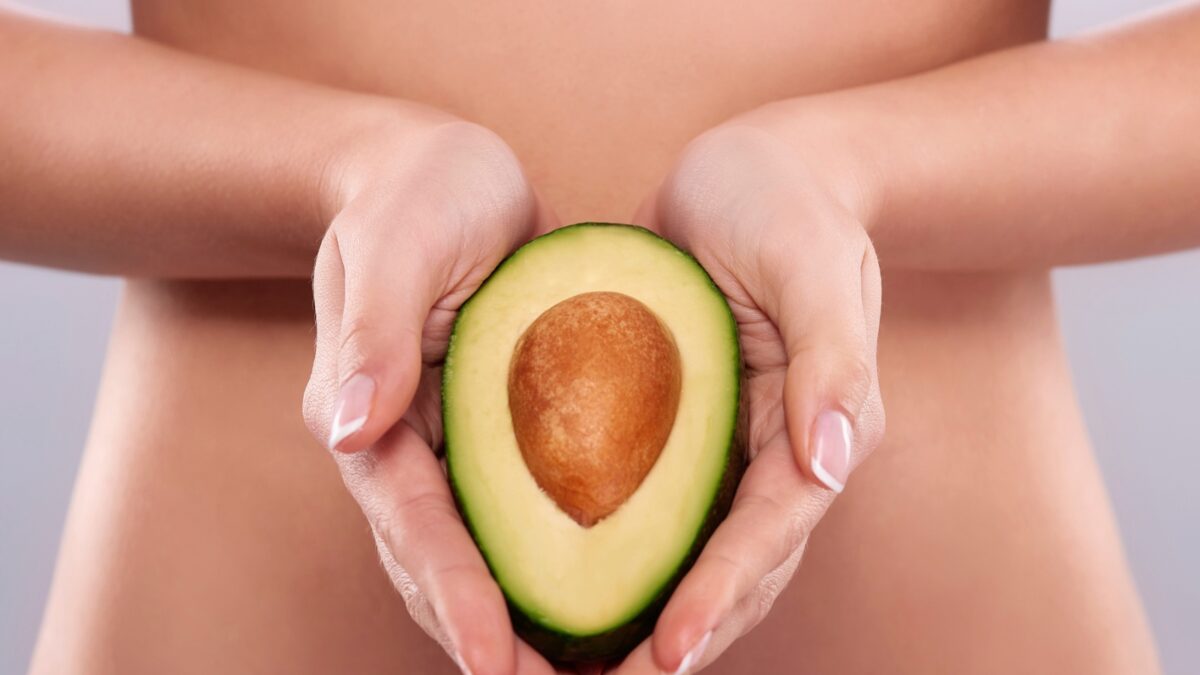
Can You Heal Your Gut with the Keto Diet?
The keto diet is often hailed for its ability to help you shed excess fat and improve blood sugar control. These are critical markers for health and offer a variety of significant benefits. But research suggests that the benefits of keto go much deeper…
It turns out that the most profound benefits of keto may be the result of its impact on the health of your gut. The keto diet plays a crucial role in remodeling your microbiome and shaping the population of trillions of microorganisms that live in your gut. It may even help to restore and regenerate your gut lining!
The Keto Diet and Gut Health Benefits
Changing the microbiome might even be the PRIMARY mechanism by which the keto diet works its healing “magic”. We will discuss the mechanisms in a moment, but first, consider some of the research on how keto can affect chronic and debilitating conditions by improving gut health:
Parkinson’s Disease:
When subjects with Parkinson’s were treated with strong antibiotics to eliminate their gut bacteria – their neurological symptoms went away. When the subjects were recolonized with gut bacteria, the symptoms returned. These results led the researchers to state, “Alterations in the human microbiome represent a risk factor for Parkinson’s Disease.”
Alzheimer’s Disease:
The keto diet was found to tamp down on microbes in the gut linked to dementia. “Our results are indisputable: Certain bacterial products of the intestinal microbiota are correlated with the quantity of amyloid plaques in the brain.”
Multiple Sclerosis:
This progressive neurological disease may be stopped in some cases by reducing harmful microbes in the gut. “The perturbation of the microbiome in MS is not inherent and inevitable, but can be definitively corrected with diet, supplementation and other means… The ketogenic diet for six months completely restored the microbial biofermentation mass and is an interesting interventional tool.”
Irritable Bowel Syndrome:
Research published in The American Journal of Gastroenterology found that 84 percent of people suffering from irritable bowel syndrome (IBS) also suffer from harmful overgrowth of a specific type of gut bacteria.
Rheumatoid Arthritis:
Proteus bacteria have an amino acid sequence that resembles type-6 collagen. This is why people with a genetic predisposition, who have been infected with Proteus, often develop rheumatoid arthritis – a debilitating condition where the immune system attacks the joints and other parts of the body where collagen is present.
Depression & Anxiety:
The link between the microbiome and mood is so strong, researchers in Belgium found that levels of bacteria-related compounds could be used to diagnose major depression with an accuracy over 90%!
Many of the symptoms in these all-too-common conditions are experienced because of “molecular mimicry”, where the microbe (or a substance it produces) “looks” dangerous to the immune system and is attacked, causing a wide range of effects.
Researchers at University of California wanted to get a better understanding of how the ketogenic diet could impact gut organisms… and the impact this could have on other health factors.
In a four-week study, 17 overweight or obese men consumed either a “standard” diet (consisting of 50 percent carbs, 15 percent protein and 35 percent fat) or a ketogenic diet (comprising 5 percent carbs, 15 percent protein and 80 percent fat). After four weeks, the two groups switched diets.
The men on the keto diet experienced profound shifts in their microbiome – most notably, a drastic reduction in amount of Bifidobacterium.
You’ve probably heard of Bifidobacterium or bifidus. It is considered a primary “healthy strain” of gut bugs. Prebiotic fiber, yogurt and other fermented foods boost this strain. On the other hand, it also happens to be a strain that is absent in the healthy, long-living Hadza people.
Is it possible that “healthy and beneficial” bifidus could be increasing inflammation in the gut… instead of reducing it, as it is commonly thought to do?
Does Less Bifidus = Less Inflammation?
In the study referenced above, the researchers discovered that patients with more Bifidobacterium in their gut had higher activity of a pro-inflammatory immune cell called TH-17.
Th17 cells are involved in the immune response to certain types of infection, and have been linked to autoimmune disease. High levels of Th17 cells are also associated with inflammation in the intestines and other tissues.
Ketones act as a “natural” anti-microbial in the gut. The keto diet helps to tamp down on the populations of Bifidobacterium that can encourage those inflammatory immune cells.
“This study provides initial evidence that a KD and ketone bodies could be used to reduce inflammation in the gut, which would be beneficial for patients with inflammatory bowel diseases such as colitis and Crohn’s disease.”
But this is not the only way ketones may help the gut…
Keto Enhances Regeneration of Intestinal Stem Cells
New research from MIT indicates ketones may be a “Fountain of Youth” for a damaged intestinal lining, commonly referred to as “leaky gut” or “intestinal permeability”.
Ketones achieve this by stimulating the “Notch signaling pathway” – a system that plays a role in growth, regeneration and maintenance of tissues and organs.
MIT researchers found that by promoting the maintenance of a pool of adult stem cells in the intestine, the keto diet may have profound healing benefits for those with gastrointestinal issues.
Another study of mice fed a keto, showed that these mice had significantly increased notch signaling pathways in the gut, leading to improved gut barrier function.
Try the Keto Diet to Recover Your Gut Health
All too often, high-carb and high-fiber diets are recommended for those with digestive issues. And yet, these are the very foods causing the problem!
If you suffer from digestive, autoimmune, or brain and mood issues, the ketogenic diet may be an effective tool to restore the health of your microbiome and the integrity of your gut lining – two huge steps in overcoming chronic illness.
Also consider:
- Other digestive offenders in your diet, like fermentable foods (FODMAPs).
- Using a food journal to track your symptoms
- Making your meats easier to digest and absorb by pressure cooking (ie – Instant Pot).
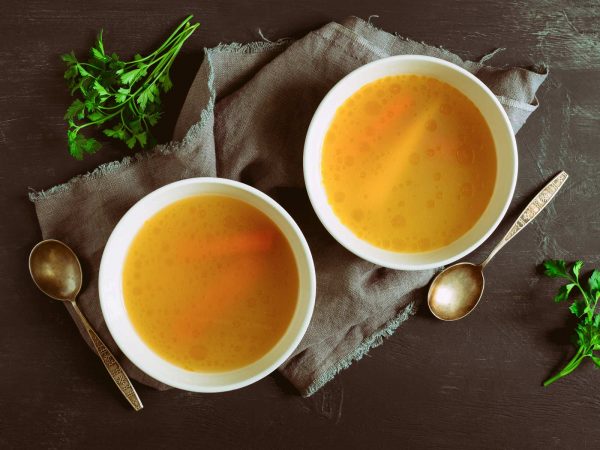
- Including bone broth in your daily diet or even a bone-broth fast
Here are a few of my favorite gut-healing ketogenic foods:
- Roasted Bone Marrow: Simply salt and roast at 400 F for 15-20 minutes.
- Pressure-Cooked Pot Roast: Use grass-fed chuck roast or any large cut. Here’s the recipe for my pressure cooker pot roast. Be sure to eat it with the tallow!
- Mixed Bone Broth: Use marrow bones along with chicken feet and necks for highest gelatin content.
So, if you’re considering the keto diet, think beyond weight loss and blood sugar control. The potential benefits for your gut and microbiome may be just as important – if not more so – in the long run!
#1 Greatest Danger in Your Diet is…
Did you know that traditional grain-based breads & desserts contains a compound that is the #1 greatest danger in your diet.
Studies show that this compound (and I am not talking about “gluten”) is toxic to your heart and blood vessels, weakens your immune defenses, and disrupts your nerves and brain function.
And if that’s not enough…
This hidden compound also makes it nearly IMPOSSIBLE to burn fat and lose weight!
The great news is that you can still have your breads and desserts… AND be well too!
Discover the secret to the world’s healthiest bread… a secret that took 10 years to master!
References (14)
- David LA, Maurice CF, Carmody RN, et al. (2014). Diet rapidly and reproducibly alters the human gut microbiome. Nature 505, 559–563. (PubMed)
- Sampson T R, Debelius J W, Janssen S, et al. Gut Microbiota Regulate Motor Deficits and Neuroinflammation in a Model of Parkinson’s Disease. Cell. 2016 Dec 1;167(6):1469-1480.e12. (PubMed)
- Marizzoni M, Festari C, Nicolosi V, et al. Short-Chain Fatty Acids and Lipopolysaccharide as Mediators Between Gut Dysbiosis and Amyloid Pathology in Alzheimer’s Disease. Journal of Alzheimer’s Disease. 2020; 78 (2): 683 DOI: 10.3233/JAD-200306. (PubMed)
- Swidsinski A, Loening-Baucke V, Gille C, et al. Reduced Mass and Diversity of the Colonic Microbiome in Patients with Multiple Sclerosis and Their Improvement with Ketogenic Diet. Front Microbiol. 2017 Jun 28;8:1141. doi: 10.3389/fmicb.2017.01141. eCollection 2017. (PubMed)
- Savarino E, Assandri L, Giannini EG, Savarino V. Small intestinal bacterial overgrowth and Helicobacter pylori: can they be cause of thrombocytopenia in patients with chronic liver disease? Am J Gastroenterol. 2011 Jun;106(6):1171-2; author reply 1172. doi: 10.1038/ajg.2011.106. (PubMed)
- Ebringer A1, Rashid T. Rheumatoid arthritis is caused by Proteus: the molecular mimicry theory and Karl Popper. Front Biosci (Elite Ed). 2009 Jun 1;1:577-86. (PubMed)
- Maes M, Kubera M, Leunis JC. The gut-brain barrier in major depression: Intestinal mucosal dysfunction with an increased translocation of LPS from gram negative enterobacteria (leaky gut) plays a role in the inflammatory pathophysiology of depression. Neuro Endocrinol Lett.2008 Feb;29(1):117-24. (PubMed)
- Maes M, Kubera M, Leunis JC. The gut-brain barrier in major depression: Intestinal mucosal dysfunction with an increased translocation of LPS from gram negative enterobacteria (leaky gut) plays a role in the inflammatory pathophysiology of depression. Neuro Endocrinol Lett.2008 Feb;29(1):117-24. (PubMed)
- Ang QY, Alexander M, Newman JC, et al. Ketogenic Diets Alter the Gut Microbiome Resulting in Decreased Intestinal Th17 Cells. Cell. 2020 Jun 11;181(6):1263-1275.e16. doi: 10.1016/j.cell.2020.04.027. Epub 2020 May 20. (PubMed)
- Sholl J, Mailing LJ, Wood TR. Reframing Nutritional Microbiota Studies To Reflect an Inherent Metabolic Flexibility of the Human Gut: a Narrative Review Focusing on High-Fat Diets. mBio. 2021 Apr 13;12(2):e00579-21. doi: 10.1128/mBio.00579-21. (PubMed)
- Ma W, et al. The ketogenic diet modulates the gut microbiome and shifts the balance of gut microbial-derived lipopolysaccharide towards a less inflammatory profile. Scientific Reports. 2016;6:35480.
- Ketogenic Diets Alter Gut Microbiome and Potentially Reduce Inflammation. Science In the News. (Link)
- Cheng CW, Biton M, Haber AL, et al. Ketone Body Signaling Mediates Intestinal Stem Cell Homeostasis and Adaptation to Diet. Cell. 2019 Aug 22;178(5):1115-1131.e15. doi: 10.1016/j.cell.2019.07.048. (PubMed)
- Chen G, et al. The ketogenic diet enhances the regenerative potential of intestinal stem cells. Cell Reports. 2017. 20(6), 1392-1403. doi:10.1016/j.celrep.2017.07.023


Leave a Reply