

A Low-Oxalate Diet for Autism
“Don’t forget to eat lots of leafy greens to get your folate!”, the doctor said as she left the patient’s room…
The patient in this case was my friend’s daughter. She is a lovely girl on the autism spectrum. She has already experienced significant progress by switching from a Standard American Diet (SAD) to a whole-foods Paleo diet. Now, her mom wants to know what else she can do to improve her health and abilities through additional dietary changes.
And while “Eat more greens” might seem like a helpful (or at the very least harmless) piece of advice… for many people, eating more greens could be a dangerous course of action that increases pain and suffering. This is especially true for those with autism.
And the reason is oxalates.
What Are Oxalates?
Oxalates are hard, crystalline compounds. They are found in most of the plants we eat. They are also produced in the body, as certain substances are broken down.
For most individuals, oxalates are metabolized by healthy gut bacteria or eliminated as waste products.
However, for some people, the body may absorb oxalates from the gut into the bloodstream… and then have difficulty eliminating these compounds. What’s worse, these jagged, sharp crystals can become lodged in healthy tissues causing a wide range of health problems.
Symptoms & Diseases Related to Oxalates
The inability to detoxify and expel oxalates can contribute to serious dysfunction (and very painful!) health conditions including:
- Gout
- Kidney stones
- Joint pain and inflammation (similar to fibromyalgia or arthritis)
- Insomnia, anxiety and depression
- Gastrointestinal problems (IBS & IBD)
- Thyroid dysfunction
- Autoimmune illness
- Child developmental disorders, including autism
- Mineral deficiencies (calcium and magnesium)
- Chronic inflammation
- Gut dysbiosis
- Mitochondrial dysfunction
- Vulvodynia (female genital pain or irritation)
- Chronic candida (yeast infections)
- COPD/asthma
- Seizures
Excess oxalates can also cause oxidative damage and depletion of glutathione (your body’s master antioxidant and detoxifier). This can impair your ability to repair DNA and detoxify, resulting in cellular mutation, heavy metal accumulation and more.
And for those diagnosed with autism, impaired detoxification, mitochondrial dysfunction, gut dysbiosis and heavy metal accumulation are notoriously problematic.
So, why would we want to encourage people with autism to consume foods that could actually worsen their condition and long-term prognosis?
Unfortunately, most diets that are recommended for autism – including the Gluten-Free/Casein-Free (GFCF) diet, the Paleo Diet, the GAPS diet and the SCD diet – fail to take oxalates into account.
Let’s take a look at the research on how oxalates impact autism…
High Levels of Oxalates Present in Autism
A recent study published in the European Journal of Paediatric Neurology investigated the role of oxalates in autism. Researchers discovered that children with autism had 2.5-times greater oxalate levels in the urine and 3-times greater levels in the blood.
And because urine testing is the standard method for evaluating oxalate load, those with high blood levels (but lower levels in the urine) are often misdiagnosed.
This study also specifically excluded children on a special diet, those with a history of seizures or antibiotic use, and those with gastrointestinal disease or kidney stones.
This is very important to note, because a significant portion of the autistic population fall into these categories and all of these factors are known to be related to or caused by high oxalate levels (hyperoxaluria). This indicates that the levels of oxalates in these sub-populations of autistic children were likely even higher!
“Ordinarily, not much oxalate is absorbed from the diet, but the level of absorption has to do with the condition of the gut. There is a lot of medical literature showing that when the gut is inflamed, when there is poor fat digestion, when there is a leaky gut, or when there is prolonged diarrhea or constipation, excess oxalate from foods can be absorbed from the GI tract and become a risk to other cells in the body. Since these gastrointestinal conditions are found frequently in autism, it seems reasonable to see if lowering the dietary supply of oxalates could be beneficial.”
Oxalates & Detoxification
Another way that oxalates impact autism is via their impact on sulfation pathways.
Sulfation is an important part of detoxification. In fact, sulfur-containing molecules are critical to the function of glutathione pathway – which helps detoxify and remove harmful substances (including heavy metals) from the body.
People within the autism spectrum have a tendency to excrete sulfur. And when sulfate is low, oxalates bind to cells more easily, causing dysfunction. Oxalates also lead to poor sulfation, creating a vicious cycle.
In addition to the direct damage they do to tissues and organs, oxalates impede autism recovery by impairing detoxification.
High Oxalate Foods (50-300 mg/serving)
Now that you’ve learned how oxalates can impact autism, let’s take a look at the highest-oxalate foods to avoid:
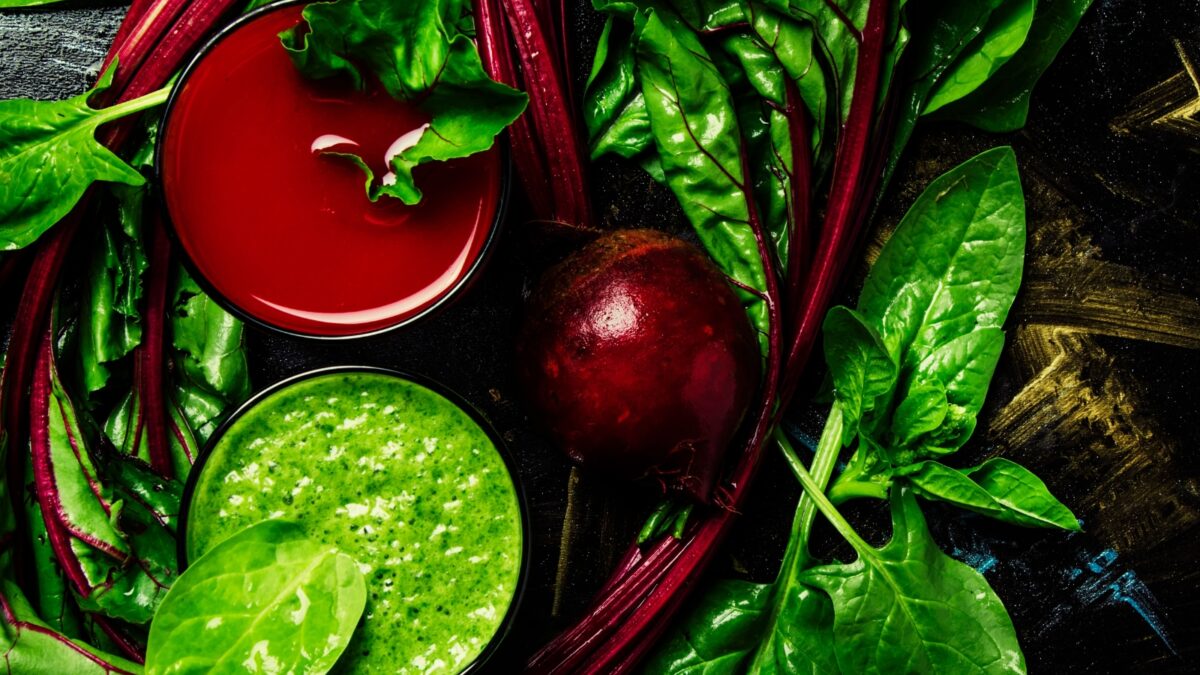
- Spinach
- Rhubarb
- Beets
- Star fruit (carambola)
- Sesame seeds
- Tahini
- Swiss chard
- Rice bran
- Bran flakes
- Almonds
- Amaranth
- Buckwheat
- Beans (most)
- Peanuts
- Cashews
- Soy
- Miso soup
- Chia seeds
- Quinoa
- Plantain
- Sweet potatoes
- Figs
- Dark chocolate
- Tea
- Berries (raspberries, blackberries)
- Kiwi
- Nut butters
- Nut milks
With this list in mind, it is important to note that 80-90% of urinary oxalate is produced inside the body (as opposed to being consumed). The amount produced can depend on many factors, including vitamin deficiencies (vitamin A, B6, B1), genetic variations and biochemical conversions from other foods (including ascorbic acid, glycine, fructose and xylitol).
The amount of oxalate absorbed from the foods we consume ranges between 5-15%. This, of course, depends on your consumption of foods that are naturally high in oxalates (like “leafy greens”). It can also depend on consumption of calcium, magnesium and fiber, all of which bind to oxalates and help remove them from the body.
We are All Biologically Unique!
One of the greatest lessons we have learned about health and nutrition over the last several decades is that each one of is biologically and genetically unique. Rigorous scientific research has proven that for all of our human similarities – after all, we have the same basic physiology and anatomy – our individual nutritional and dietary needs are quite unique!
So, do not blindly accept that all “healthy foods” are going to be good for you. They might not be. And if you don’t feel well, consider “subtracting before you add”. That means, it’s probably best to eliminate foods from your diet – starting with “plant-based” foods first and gauge how you feel.
In my next article, we will continue this discussion of oxalates (particularly their effect on those with autism) and specifically how to improve our health by reducing oxalates in the diet.
When it comes to health, we are constantly bombarded by the mainstream message to “eat more plants.” The mantra is everywhere. And whether the advice comes from doctors, government “health” agencies or that friend who purports to be an expert in everything, we are generally told a “plant-based diet” will save our arteries… boost brain function… increase our longevity…
And even help to “cool the planet”… wait, is that a good thing?
We are also often told that a “plant-based diet” is the healthiest way of eating… for everyone.
But if you’ve been reading my articles for a while, you know that is simply NOT true. Each one of us has key differences in our genetics, microbiome, hormonal and immune systems that impact how we react to food. That means, there are foods that might be healthy for you… and cause illness for me.
And when it comes to “plants” this advice is especially problematic.
Because the truth of the matter is that it is almost always some form of “plant foods” that are the root cause of autoimmune disease, inflammation, digestive distress, hormonal dysfunction, allergies, food intolerances and other debilitating conditions.
This is why broad statements like “eat more plants” can be both dangerous and irresponsible.
Side Effects of Reducing Oxalates in the Diet: Take It Slow!
Now that you have a better understanding of how oxalates work and where they are found, it’s important to discuss what can happen when the body begins removing these compounds.
“Oxalate dumping” refers to what happens when oxalates are removed too quickly from the body. This can cause some unpleasant side effects including:
- Grainy/sandy stool
- Urinary pain
- Moodiness
- Painful bowel movements and accidents
- Rashes
- Yeast flare-ups
To reduce the risk of oxalate dumping, remove oxalates slowly and be sure to stay well-hydrated to promote clearance.
How to Reduce Your Body’s Oxalate Burden
Whether your goal is to reduce oxalates for general health, to treat a specific condition or help to recover a loved one from autism, there are several things you can do to reduce these problematic compounds and lessen their impact:
- Avoid High Oxalate Foods: Eliminating the biggest offenders will go a long way to reducing your body’s exogenous oxalate burden.
- Cook Foods to Reduce Oxalate Content: Boiling was found to reduce oxalate content 30-87% in a study published by the Journal of Agricultural and Food Chemistry. In the case of beans, soaking prior to cooking also helped reduce oxalates.
- Eat Calcium-Rich Foods: Calcium readily binds to oxalate. Getting 1,000-1,200 mg of calcium per day has been found to reduce the formation of kidney stones – a common condition linked to oxalates.
- Optimize Magnesium: Like calcium, magnesium also binds to oxalate. Therefore, a magnesium deficiency can increase oxalate burden. In addition to a high-quality magnesium supplement, Epsom salt baths (magnesium sulfate) can help boost magnesium and promote detoxification, as well thanks to its vital sulfur component.
- Be Careful with Vitamin C: Studies show that vitamin C supplementation (ascorbic acid) increases oxalate formation within the body (endogenous formation). Take caution with vitamin C supplements and enhanced beverages and foods that may contain high levels of ascorbic acid.
- Avoid Antibiotics: A number of common antibiotics degrade Oxalobacter formigenes, a microbe with a unique ability to degrade oxalates. People with low levels of O. formigenes in their microbiome have a reduced ability to break down oxalates.
- Promote Diversity with Probiotics: Certain probiotics exhibit promote oxalate breakdown in the gut including lactobacillus acidophilus, lactobacillus plantarum, bifidobacterium lactis, bacteroides and oxalobacter formigenes. The best way to promote diversity and improve the profile of the microbiome is by consuming homemade lacto-fermented foods like sauerkraut.
A whole-foods diet that is low in sugar and carbohydrates, and rich in protein and healthy fats from grass-fed beef, pastured poultry and pork and eggs, and wild seafood, is a great place to start when dealing with any complex health issue. But to achieve true healing, we must look more closely at an individual’s particular sensitivities to create a personalized plan for healing.
There are myriad factors that cause each one of us to respond in a different way to various foods and lifestyle factors. But the bottom line is that we are all biologically (and genetically) unique – so you must discover what works best for YOU!
If you are interested to know your levels, oxalates and oxalic acids can also be measured via an Organic Acid Test (OAT).
Have you eliminated oxalates or specific plant foods from your diet to address autism or another health concern? If so, what was your experience?
References (34)
- Baggish MS, Sze EH, Johnson R. Urinary oxalate excretion and its role in vulvar pain syndrome. Am J Obstet Gynecol. 1997 Sep;177(3):507-11. (PubMed)
- Ogawa Y, Miyazato T, Hatano T. Oxalate and Urinary Stones. World J Surg. 2000 Oct;24(10):1154-9. (PubMed)
- Mitchell T, Kumar P, Reddy T, et al. Dietary oxalate and kidney stone formation. Am J Physiol Renal Physiol. 2019 Mar 1;316(3):F409-F413.(PubMed)
- Konstantynowicz J, Porowski T, Zoch-Zwierz W, et al. A potential pathogenic role of oxalate in autism. Eur J Paediatr Neurol. 2012 Sep;16(5):485-91. Epub 2011 Sep 10. (PubMed)
- Marchini GS, Sarkissian C, Tian D, Gebreselassie S, Monga M. Gout, stone composition and urinary stone risk: a matched case comparative study. J Urol. 2013 Apr;189(4):1334-9. Epub 2012 Sep 25. (PubMed)
- Ormanji MS, Rodrigues FG, Heilberg IP. Dietary Recommendations for Bariatric Patients to Prevent Kidney Stone Formation. Nutrients. 2020;12(5):1442. Published 2020 May 16.(PubMed)
- Garland V, Herlitz L, Regunathan-Shenk R. Diet-induced oxalate nephropathy from excessive nut and seed consumption. BMJ Case Rep. 2020 Nov 30;13(11):e237212. (PubMed)
- Sitkin SI, Tkachenko EI, Vakhitov TY. METABOLIC DYSBIOSIS OF THE GUT MICROBIOTA AND ITS BIOMARKERS. Eksp Klin Gastroenterol. 2016 Jul;12(12):6-29. (PubMed)
- Patel M, Yarlagadda V, Adedoyin O, et al. Oxalate induces mitochondrial dysfunction and disrupts redox homeostasis in a human monocyte derived cell line. Redox Biol. 2018;15:207-215. (PubMed)
- Shaw W. The Role of Oxalates in Autism and Chronic Disorders. Weston A. Price. March 26, 2010. (Link)
- Chen, Chien-Liang, et al. Neurotoxic effects of carambola in rats: the role of oxalate. J Formos Med Assoc. 2002 May;101(5):337-41. (PubMed)
- Konstantynowicz J, Porowski T, Zoch-Zwierz W, et al. A potential pathogenic role of oxalate in autism. Eur J Paediatr Neurol. 2012 Sep;16(5):485-91. Epub 2011 Sep 10. (PubMed)
- Molloy CA, Manning-Courtney P. Prevalence of chronic gastrointestinal symptoms in children with autism and autistic spectrum disorders. Autism. 2003, 7(2):165-171. (PubMed)
- Nikolov Roumen N, Bearss Karen E, Jelle Letting E, et al. Gastrointestinal Symptoms in a Sample of Children with Pervasive Developmental Disorders. J Autism Dev Disord. 2009, 39:405-413. (PubMed)
- Adams, J. B., Johansen, L. J., Powell, L. D., Quig, D., & Rubin, R. A. Gastrointestinal flora and gastrointestinal status in children with autism–comparisons to typical children and correlation with autism severity. BMC Gastroenterol. 2011 Mar 16;11:22. (PubMed)
- Chapman, L. A. (2007). A Low Oxalate Diet for Autism.
- Waring R H, Klovrza L V. Sulphur metabolism in autism. Journal of Nutritional and Environmental Medicine. 2000. 10:1, 25-32. (Link)
- Alberti A, Pirrone P, Elia M, Waring R H, Romano C. Sulphation deficit in “low-functioning” autistic children: a pilot study. Biol Psychiatry. 1999 Aug 1;46(3):420-4. (PubMed)
- Rossignol DA, Genuis SJ, Frye RE. Environmental toxicants and autism spectrum disorders: a systematic review. Transl Psychiatry. 2014;4(2):e360. Published 2014 Feb 11. (PubMed)
- Rossignol DA, Frye RE. A review of research trends in physiological abnormalities in autism spectrum disorders: immune dysregulation, inflammation, oxidative stress, mitochondrial dysfunction and environmental toxicant exposures. Mol Psychiatry. 2012;17:389–401. (PubMed)
- Crivelli JJ, Mitchell T, Knight J, et al. Contribution of Dietary Oxalate and Oxalate Precursors to Urinary Oxalate Excretion. Nutrients. 2020;13(1):62. Published 2020 Dec 28. (PubMed)
- Holmes R P, Goodman H O, Assimos D G, Schwille P O, Messa P. Dietary oxalate and its intestinal absorption. Scanning Microsc. 1995;9:1109–1120. (PubMed)
- Chai W, Liebman M. Effect of different cooking methods on vegetable oxalate content. J Agric Food Chem. 2005 Apr 20;53(8):3027-30. doi: 10.1021/jf048128d. (PubMed)
- Shi L, Arntfield SD, Nickerson M. Changes in levels of phytic acid, lectins and oxalates during soaking and cooking of Canadian pulses. Food Res Int. 2018 May;107:660-668. doi: 10.1016/j.foodres.2018.02.056. Epub 2018 Mar 5. (PubMed)
- Holmes RP, Knight J, Assimos DG. Lowering urinary oxalate excretion to decrease calcium oxalate stone disease. Urolithiasis. 2016 Feb;44(1):27-32. doi: 10.1007/s00240-015-0839-4. Epub 2015 Nov 27. (PubMed)
- Pearle MS, Goldfarb DS, Assimos DG, et ak. Medical management of kidney stones: AUA guideline. J Urol. 2014;192(2):316–324. (PubMed)
- Zimmermann DJ, Voss S, von Unruh GE, Hesse A. Importance of magnesium in absorption and excretion of oxalate. Urol Int. 2005;74(3):262-7. doi: 10.1159/000083560. (PubMed)
- Rudolf RD. The use of Epsom salts, historically considered. Can Med Assoc J. 1917;7(12):1069-1071. (PubMed)
- Ferraro PM, Curhan GC, Gambaro G, Taylor EN. Total, Dietary, and Supplemental Vitamin C Intake and Risk of Incident Kidney Stones. Am J Kidney Dis. 2016 Mar;67(3):400-7. doi: 10.1053/j.ajkd.2015.09.005. Epub 2015 Oct 14. (PubMed)
- Jiang K, Tang K, Liu H, et al. Ascorbic Acid Supplements and Kidney Stones Incidence Among Men and Women: A systematic review and meta-analysis. Urol J. 2019 May 5;16(2):115-120. doi: 10.22037/uj.v0i0.4275. (PubMed)
- Knight J, Madduma-Liyanage K, Mobley JA, Assimos DG, Holmes RP. Ascorbic acid intake and oxalate synthesis. Urolithiasis. 2016;44(4):289-297. doi:10.1007/s00240-016-0868-7. (PubMed)
- Duncan SH, Richardson AJ, Kaul P, et al. Oxalobacter formigenes and its potential role in human health. Appl Environ Microbiol. 2002;68(8):3841-3847. doi:10.1128/AEM.68.8.3841-3847.2002. (PubMed)
- Soliman NR, Effat BAM, Mehanna NS, Tawfik NF, Ibrahim MK. Activity of probiotics from food origin for oxalate degradation. Arch Microbiol. 2021 Oct;203(8):5017-5028. doi: 10.1007/s00203-021-02484-3. Epub 2021 Jul 20. (PubMed)
- Wigner P, Bijak M, Saluk-Bijak J. Probiotics in the Prevention of the Calcium Oxalate Urolithiasis. Cells. 2022 Jan 14;11(2):284. doi: 10.3390/cells11020284. (PubMed)



Leave a Reply