

Digestive Issues? Avoid These Specific Carbohydrates
Do you ever experience bloating, acid reflux, cramping, indigestion or other digestive distress?
If so, you’re not alone.
In fact, it is estimated that up to 70 million Americans suffer from some form of digestive issue – ranging from chronic constipation to serious and even life-threatening conditions, such as Crohn’s disease.
And while digestive issues can stem from a wide variety of causes, there’s one factor quite often overlooked: Carbohydrates.
The Link Between Specific Carbohydrates And Digestive Problems
Carbohydrates come in several forms – monosaccharides, disaccharides and polysaccharides. Of these three types, the monosaccharides (“mono” – meaning one) are the only type of carbohydrate that doesn’t require an extra digestive step to fully break down.
On the other hand, polysaccharides and disaccharides have additional chemical bonds. These forms of carbohydrates are more complex – and more difficult to digest – especially for some people. Unfortunately, this partial digestion of carbohydrates can lead to many uncomfortable and even dangerous results – beginning with an overgrowth of bacteria and yeast in the gut.
Although bacteria and yeast are a natural and important part of your microbiome, problems arise when the delicate balance of microorganisms that live inside you is disturbed. As harmful bacteria and yeast (like Candida) begin to proliferate unchecked, toxins are released and the pH of the digestive tract changes.
This can lead to irritation and inflammation which damages the cells in the gastrointestinal tract. In addition to chronic discomfort, the end result can include leaky gut, food allergies and even autoimmune disease.
And this vicious cycle will continue as long as the offensive carbohydrates – poly- and disaccharides – are being consumed.
Breaking The Cycle: The First Step Towards Better Digestive Health
Eliminating those specific carbohydrates can help to break the cycle of inflammation and cellular damage. This allows the microbiome to regain a healthy balance and for the gut to heal.
Not surprisingly, the Specific Carbohydrate Diet (SCD), is very close to the diet enjoyed by our ancestors. Like the Paleo diet, it is grain-free and unprocessed. It encourages regular consumption of bone broth, healthy fats, and a wide variety of grass-fed meats and wild fish.
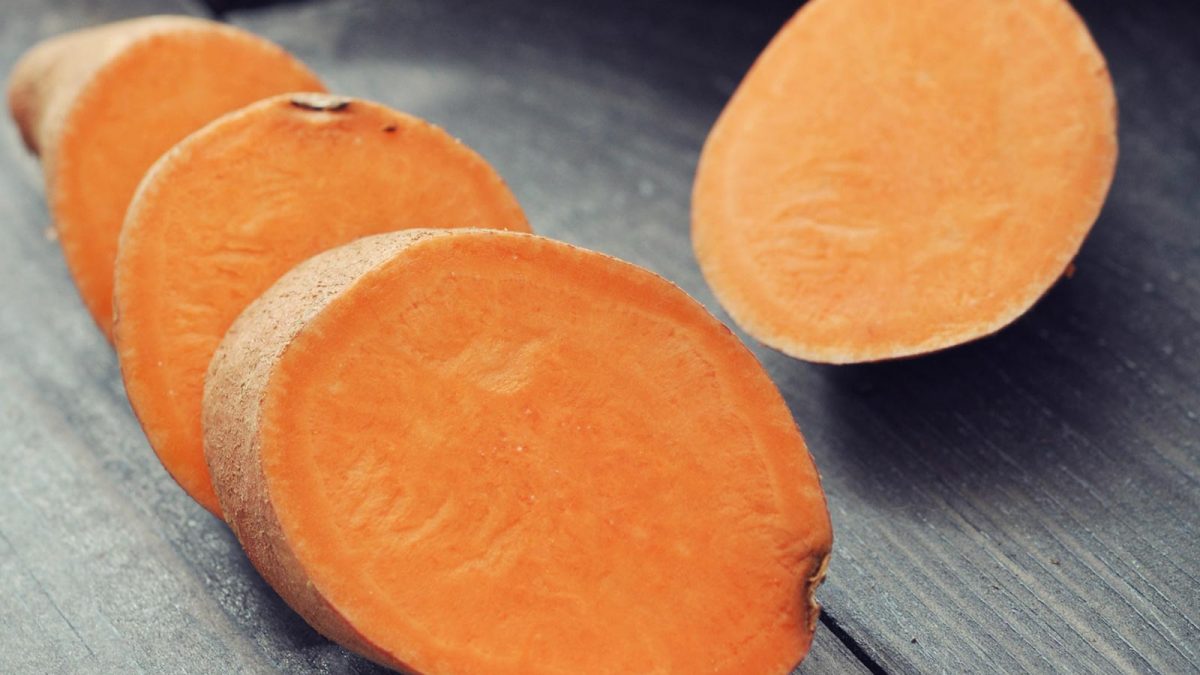
The difference is that SCD eliminates “specific” starches and sugars that can be problematic – including many foods like sweet potatoes, parsnips, sunflower seeds, chocolate, jicama, okra, maple syrup, kohlrabi, plantains and many others that are often considered “approved” foods for those following a “Paleo Diet.”
If you’ve been following an ancestral diet – and yet you still experience digestive problems – the Specific Carbohydrate Diet may be the tweak you need to achieve complete digestive wellness and relief from uncomfortable symptoms.
And because every individual is unique, SCD can be tailored to your personal intolerances and ability to digest (or not digest) certain foods.
How to Start the Specific Carbohydrate Diet
If you are interested in trying SCD, we highly recommend Dr. Elaine Gottschall’s groundbreaking book – Breaking the Vicious Cycle: Intestinal Health through Diet.
Our friends and colleagues Steve Wright and Jordan Reasoner healed themselves of digestive disease by following these principles. Then, they took Dr. Gottschall’s work to a new level by creating a specific protocol and support group for those who have digestive illness and are committed to finding a solution.
Their work is based on over 50 years of microbiology and digestive research. They have helped thousands of people stop the symptoms of digestive illness. Their step-by-step guide will help you provide the deep nutrition your body needs… while giving the gastrointestinal tract a chance to heal.
If there is one thing we know about diet and nutrition, it is that we are all unique. Some foods that are considered “healthy” for some… can be a disaster for other. If you are suffering from digestive distress, we encourage you to learn more about the SCD diet and get on the road to healing your gut for good.
Also, if you have any experience with the SCD diet or you would like to share what has worked for you to improve your digestive health, please leave your comments below. We would love to hear from you and there is a good chance that your experience or questions will benefit others.
References (2)
- Elaine Gottschall. Breaking the Vicious Cycle; Intestinal Health through Diet. August 1994
- American College of Gastroenterology 2013 Annual Scientific Meeting. Rush University Medical Center, SCD Study



Leave a Reply