

The Surprising Anti-Aging Nutrient in Red Meat
We all age – it’s a part of life.
But one of the greatest pains we can endure is to watch someone we love experience the debilitating, and often rapid effects, of aging.
And of all the age-related conditions, the one that seems to cut the greatest wound is dementia. A disease like Alzheimer’s can steal treasured memories from the sufferer, not to mention their feelings of safety, security and joy for family and loved ones. The good news is that scientific research has revealed specific nutrients that can prevent (and sometimes reverse) the effects of dementia, and other age-related chronic conditions.
And one of these nutrients – L-carnitine, found primarily in red meat – shows exceptional promise.
Researchers from the Department of Internal Medicine in Italy conducted a controlled, double-blind study on a group of patients over 65 years old diagnosed with dementia.
The results of the three-month study were published in the International Journal of Pharmacology Research. They found that the patients treated with acetyl-l-carnitine (in supplement form) showed statistically significant improvements in behavior, memory, attention and verbal fluency (the ability to quickly choose the right words).
The researchers theorize the positive results may be related to the fact that acetyl-l-carnitine is a precursor to the neurotransmitter acetylcholine. Studies show that acetylcholine dysfunction can contribute to the effects of Alzheimer’s.
But that’s only one way that L-carnitine can benefit the aging process…
Aging: How Our Cells Eventually ‘Power Down’
The energy powerhouses inside most cells in your body are called mitochondria. The “mitochondrial theory of aging” asserts that free radicals damage the energy production capacity of your cells. Over time, the cells simply ‘power down’.
A review published in Clinical Science explains this process:
“The ensuing state of oxidative stress results in damage to ETC [electron transport chain] components and mtDNA [mitochondrial DNA]. This further increases the production of reactive oxygen species. Ultimately, this ‘vicious cycle’ leads to a physiological decline in function, or aging.”
At a fundamental level, aging is the result of mitochondrial damage.
But L-carnitine levels have also been shown to decline as we age.
Research published in Biochemical and Biophysical Research Communications confirms that:
“Analysis of muscle samples of healthy humans of different ages showed a drastic reduction of carnitine and acetyl carnitine in the older subjects with a strong reverse correlation between age and carnitine levels.”
L Carnitine Benefits Battered Cells
L-carnitine is commonly used as a sports supplement, but it is a necessary nutrient in day-to-day energy production. Its primary role is as a nutrient ‘shuttle’ – helping to transport essential fats from cell membranes into the mitochondria to be used as energy. Without L-carnitine, we have impaired energy production. Fats have no other way to enter the mitochondria.
And that’s not the only role of L-carnitine in this process. As the mitochondria in your cells convert carbohydrates and fats into the energy molecule ATP, a large number of reactive oxygen species (ROS) are produced. These are commonly known as ‘free radicals.’ And over time, they promote inflammation and can damage cells.
L-carnitine, however, also performs an antioxidant role. It helps neutralize free radicals and reduces inflammatory and oxidative damage.
A 2014 review published in the journal Gene also alerts us to L-carnitine’s ability to cross the blood-brain barrier and provide antioxidant protection for the brain (another way by which L-carnitine can benefit those with Alzheimer’s).
And it’s not just dementia that has scientists looking closely at this anti-aging nutrient…
Protection from the Number One Killer
Carnitine is concentrated in tissues that utilize fatty acids as their primary fuel. This includes skeletal and cardiac (heart) muscles. Therefore it’s no surprise that it also helps prevent the number one cause of death: cardiovascular disease.
A 2015 study conducted in Taiwan found that treatment with L-carnitine significantly lowered markers of inflammation among subjects with coronary artery disease, primarily due to its antioxidant benefits. This study joins more than 20 placebo-controlled studies that also support the heart protective benefits of L-carnitine.
Another Piece of the Bone Density Matrix
Researchers from Florida State University and the University of Connecticut found that L-carnitine decreased bone turnover and slowed the rate of bone loss in rats, which holds promise for helping post-menopausal women to maintain bone density.
And it’s not just women who can benefit. Other research, published in the International Journal of Pharmacology stated that men can expect the same bone-protecting attributes:
“Treatment with L-carnitine in this population was associated with significant increases in BMD [Bone Mineral Density] at the lumbar spine, femoral neck, total hip and ASM throughout the study compared with placebo.”
The Most Absorbable Sources of Carnitine for Healthy Aging
You can certainly take L-carnitine as a supplement. Many people do. But there’s a chance you’ll only absorb around 14-18% of its goodness.
But according to a summary published by the National Institutes of Health, food-based sources can increase your absorption of L-carnitine by up to 87%.
And the very name of this nutrient gives us a clue to its richest sources…
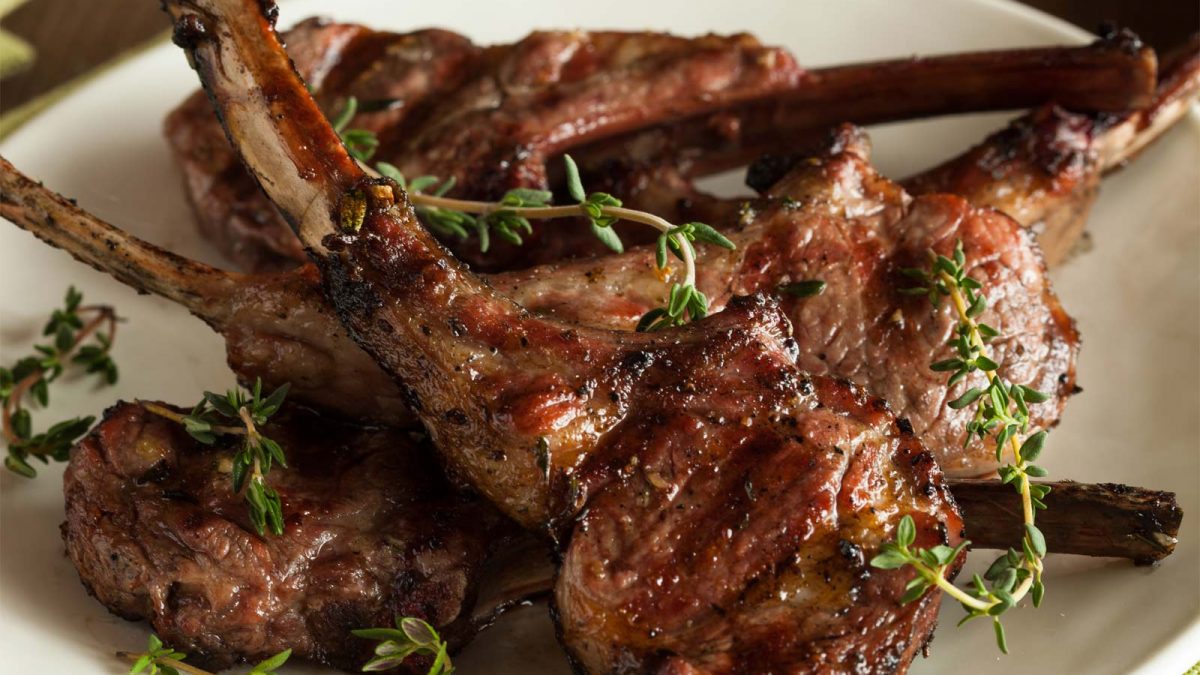
Carnus is Latin for flesh, which is where this nutrient was first isolated. Not surprisingly, the highest food source is pasture-raised meats.
In order of abundance, per 100g (3.5oz), the foods richest in carnitine include:
- Lamb
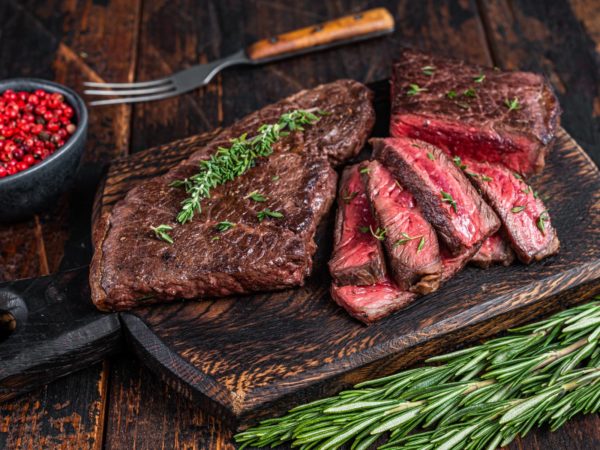
- Ground beef or steak
- Pork or bacon
- Fish and chicken
- Dairy sources like raw grass-fed cheese and milk
Following an ancestral diet that includes the food sources above will provide the highest levels – and the best absorption – of L-carnitine. Eating these alongside organic vegetables will ensure you’re getting plenty of antioxidants and not taking in pesticides, antibiotics or hormones that compromise cellular health.
Consume plenty of gut-loving fermented foods like sauerkraut or kefir from pastured dairy along with good fats that also assist in keeping inflammation down in the body.
And don’t forget to add vigorous exercise, restorative sleep, sunshine, love and laughter to these nutrition staples for a long and healthy life!
References (12)
- Passeri, M. Cucinotta, D. Bonati, PA. Iannuccelli, M. Parnetti, L. Senin, U. Acetyl-L-carnitine in the treatment of mildly demented elderly patients. International Journal of Clinical Pharmacology Research. 1990; 10(1-2):75-79. (PubMed)
- Francis, PT. Palmer, AM. Snape, M. Wilcock, GK. The cholinergic hypothesis of Alzheimers disease: a review of progress. Journal of Neurology, Neurosurgery & Psychiatry. 1999; 66(2):137-47.(PubMed)
- Alzheimer’s, Memory And Acetylcholine. PsyWeb.com. Published December 02, 2015. (Link)
- Alexeyev, MF. Ledoux, SP. Wilson, GL. Mitochondrial DNA and aging. Clinical Science. 2004;107(4):355-364. (PubMed)
- Costell, M. O’Connor, JE. Grisolia, S. Age-dependent decrease of carnitine content in muscle of mice and humans. Biochemical and Biophysical Research Communications. 1989; 161(3):1135-1143. (PubMed)
- Ribas, GS. Vargas, CR. Wajner, M. L-carnitine supplementation as a potential antioxidant therapy for inherited neurometabolic disorders. Gene. 2014;533(2):469- (PubMed)
- Carnitine, The science behind a conditionally essential nutrient. National Institutes of Health Office of Dietary Supplements. 2004. (Link)
- Lee, BJ. Lin, JS. Lin, YC. Lin, PT. Antiinflammatory effects of L-carnitine supplementation (1000mg/d) in coronary artery disease patients. Nutrition. 2015; 31(3):475-479. (PubMed)
- Hooshmand, S. Balakrishnana, A. Clark, RM. Owen, KQ. Koo, SI. Arjmandi, BH. Dietary L-carnitine supplementation improves bone mineral density by suppressing bone turnover in aged ovariectomized rats. Phytomedicine. 2008; 15(8):595-601. (PubMed)
- Wang, L. Wang,C. Efficacy of L-Carnitine in the Treatment of Osteoporosis in Men. International Journal of Pharmacology. 2015; 11:148-151. (Link)
- The science behind a conditionally essential nutrient. National Institutes of Health Office of Dietary Supplements. Carnitine. 2004. (Link)
- Carnitine, Wikipedia. (Link)

I dropped my wifes cholesterol from 376 to 112 by feeding her grass fed beef. Her hi density to low density ration was great.
I am so excited about my books, Keto Desserts and Keto Breads! A lot of research and testing must have gone in there, because the recipes are excellent!
I’m so happy that you are happy, Ansie!
And thank you for taking the time to share your experience about Keto Desserts and Keto Breads – they were many years in the making!
Happy & Healthy Baking!
Kelley
Such an informative article about carnitine. This is really good