

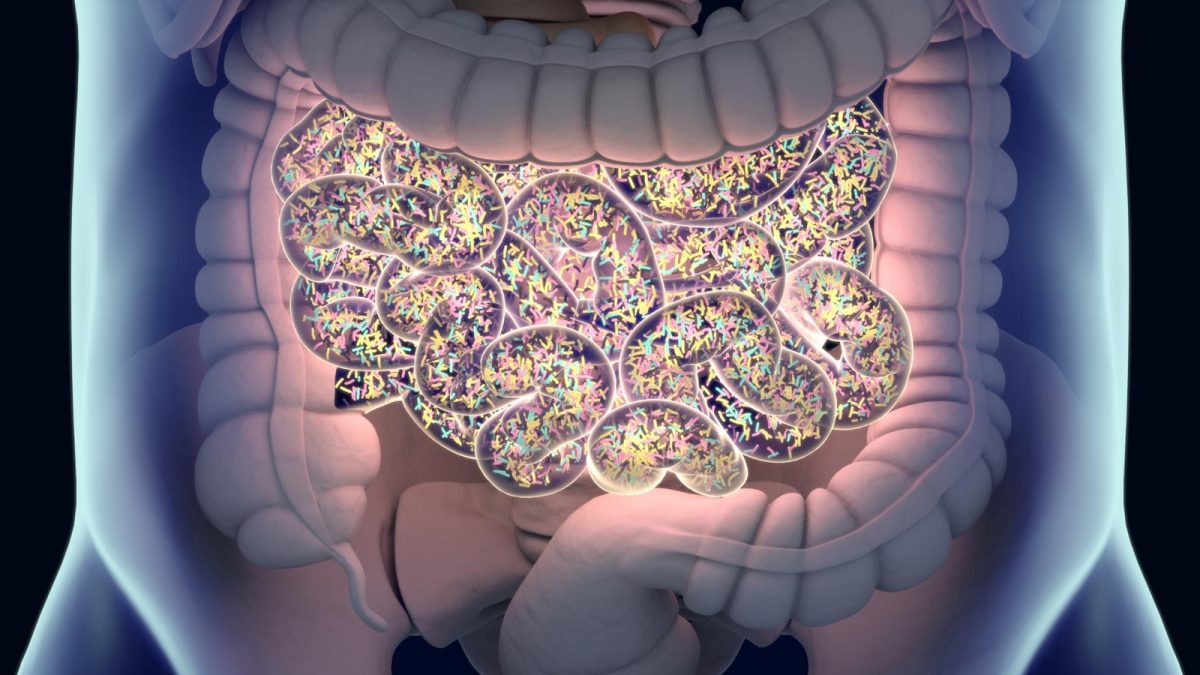
Feed Your Forgotten Organ for Better Health
There is an organ that is as important to your health as your heart, liver and lungs. But you’ve probably never heard of it.
This “forgotten organ” plays a wide number of vital roles in your body. It synthesizes vitamins. It helps to regulate your hormones. It disarms carcinogens. It breaks down toxins. It even helps to kill invading pathogens.
And that’s not nearly all. It also impacts the way your body extracts calories from food. It affects your mood. And it plays a vital role in training your immune system to prevent everything from colds and flu… to cancer.
The bad news is that most of us are assaulting this organ on a daily basis. We damage it with the foods we eat, the products we use, and sometimes with the medicines we take.
So, what is this mysterious organ? It’s your microflora!
What You Can’t See Can Help You
Your microflora is also known as your microbiome. It is the collection of bacteria, viruses and fungi that live in your gut, on your skin, in your lungs, as well as in your mouth, your ears, and even your eyes.
According to Dr. Curtis Huttenhower, who leads the microbial research lab at Harvard, the average adult has around 100 trillion microbial cells that live in and on their body. This is more than 10 times the number of human cells in the body!
But that’s not all. These cells have about 100 times as many genes as you do. “So not only are we outnumbered,” says Huttenhower. “We’re outgunned.” The bottom line is that the genetic material in your body is only about 1 percent human. The remaining 99 percent is microbial!
And these microbes are not just “hitching a ride.” You have a symbiotic relationship with them. You give them a place to live. And they help to keep you alive. You literally could not survive without them.
In fact, the research continues to mount on how these “probiotic” organisms promote health and help to prevent disease:
- Digestion & Nutrient Assimilation: The microbes in your digestive tract synthesize vitamin B-12 and vitamin K. They also help to digest the food you eat.
- Autism: Autistic children often suffer from bowel conditions and have high levels of “bad” bacteria, called Clostridia, in their gut. Probiotics crowd out Clostridia and promote the growth of “friendly” bacteria instead.
- Autoimmune Disease: Early research shows that several autoimmune diseases – such as multiple sclerosis and type 1 diabetes – may have roots in microflora imbalances.
- Obesity & Belly Fat: Certain bacteria promote the storage of fat. However, studies also show that certain beneficial bacteria help to reduce body fat – especially dangerous belly fat.
- Depression & Anxiety: Research shows that our microbiome alters brain neurochemistry. Probiotics have been found to be beneficial in the treatment of anxiety and depression.
- Eczema & Allergies: Studies show that probiotics may also help alleviate eczema and a wide variety of allergies by modulating the immune system.
With so many benefits, it’s not surprising that so many people are popping probiotic pills to help their friendly bacteria flourish. But there is a better (and cheaper!) way: fermented foods.
Fermented Foods for Your Forgotten Organ
Even if you make it a point to top your grass-fed beef hot dog with a healthy helping of sauerkraut… and eat a neatly packaged “made with active cultures” yogurt on a regular basis, chances are you’re not getting the probiotic benefits you’re looking for.
And the reason lies in the processing.
Today, I’ll share with you 11 probiotic superfoods… plus, how to choose the right ones to get the most bacterial bang for your buck.
Fermented Vegetables: Sauerkraut, Kimchi and Pickles
Most commercially available fermented vegetables are made with vinegar. But natural fermentation relies on Lactobacillus bacteria (particularly L. acidophilus) to turn crisp cabbage into tart sauerkraut and bland cucumbers into sour pickles.
As fermentation occurs, these good bacteria produce and excrete lactic acid, which in turn preserves the vegetable. And guess what – lactic acid has a role in preserving our health too.
In the intestines, lactic acid promotes a slightly acidic pH. This inhibits the growth of certain undesirable bacteria. It also helps to enhance the absorption of protein and minerals, including calcium, copper, iron, magnesium, and manganese.
What’s more, certain strains of Lactobacillus act as natural antibiotics. They help to fight off bacteria such as Streptococcus (strep), Staphylococcus (staph), Salmonella, Clostridium botulinum, and E. coli – as well as viruses, including polio, HIV, and herpes.
Traditional German sauerkraut, brine pickles, and Korean kimchi are three probiotic foods that bring healthy bacteria into your gastrointestinal tract. But be sure to choose those in the refrigerated section and made without vinegar (Bubbies is a brand that creates traditional fermented foods). Better yet, look to your local Weston A. Price chapter for sources of fermented foods in your area or pick up a book on pickling and make your own for pennies.
Fermented Soy: Miso, Tempeh and Natto
If you eat legumes, fermented soy products are another great way to get more healthy bacteria into your gut. Stir a spoonful of miso into hot water for a probiotic broth, sauté tempeh in coconut oil and enjoy with vegetables or on salads. Or mix natto with kimchi or sautéed veggies. Be sure to choose organic fermented soy products to avoid GMOs, pesticides and other chemicals. Look for these foods in the refrigerated section of your grocer.
Cultured Dairy: Yogurt, Kefir and Raw-Milk Cheeses
Yogurt, kefir and many raw-milk cheeses (including Parmigiano Reggiano, cheddars and Goudas) contain some of the live bacteria that helped transform them from milk to cheese. Blue cheeses, soft cheeses (like Brie) and cave-aged cheese are even richer in beneficial microorganisms. Look for aged and raw cheeses offered by US Wellness Meats, and raw kefir and yogurt from your local organic farmer.
Fermented Beverages: Kvass and Kombucha
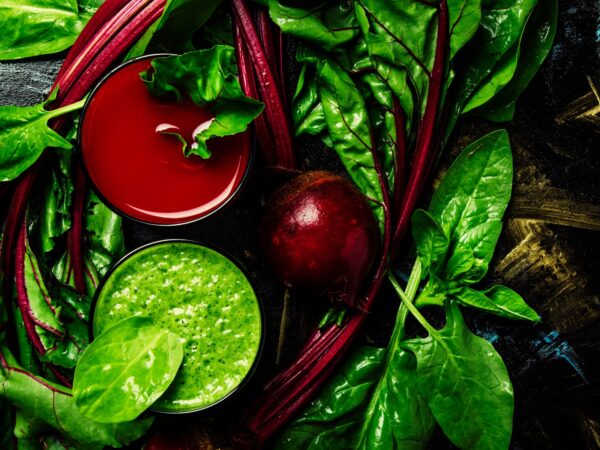
Fermented beverages including kvass (typically from beets and sometimes from grain) and kombucha (made by fermenting sweetened tea), make delicious additions to your diet. You’ve probably noticed kombucha popping up on grocery shelves everywhere. But it’s easy (and a lot cheaper) to make your own. All you need is a scoby (a symbiotic culture of bacteria and yeast), some sweetened tea and about two weeks. These healthy beverages are a fun way to get more flora into your diet.
When it comes to keeping your forgotten organ fed, keep this in mind: frequency matters. It’s not enough to eat fermented foods once in a while. To get the benefits, be sure to include at least one serving of living fermented foods daily.
In addition to enjoying more naturally fermented probiotic foods, be sure to avoid flora-killers including antibiotics (from medication and from conventionally-raised meats), pesticides and other agricultural chemicals, chlorine and fluoride (from tap water), excess alcohol consumption, anti-bacterial products, artificial sweeteners as well as processed foods and sugars.
References (12)
- Han Y, Kim B, Ban J, et al. A randomized trial of Lactobacillus plantarum CJLP133 for the treatment of atopic dermatitis. Pediatr Allergy Immunol. 2012 Nov;23(7):667-73. (PubMed)
- Centers for Disease Control and Prevention: CDC Home Autism Spectrum Disorders (ASDs) (PubMed)
- Pelton R. Antibiotics, Probiotics, and Microflora. Pharmacy Times. 2005. (Link)
- Jass JR. The Intestinal Lesion of Autistic Spectrum Disorder. Eur J Gastroenterol Hepatol. 2005 Aug;17(8):821-2. (PubMed)
- Bravo JA1, Forsythe P, Chew MV, et al. Ingestion of Lactobacillus strain regulates emotional behavior and central GABA receptor expression in a mouse via the vagus nerve. Proceedings of the National Academy of Sciences. 2011 Sep 20;108(38):16050-5. (PubMed)
- Bercik P, Park AJ, Sinclair D, Khoshdel A, et al. The anxiolytic effect of Bifidobacterium longum NCC3001 involves vagal pathways for gut-brain communication. Neurogastroenterol Motil. 2011 Dec;23(12):1132-9. doi: 10.1111/j.1365-2982.2011.01796.x. Epub 2011 Oct 11. (PubMed)
- Bravo JA1, Forsythe P, Chew MV, et al. Ingestion of Lactobacillus strain regulates emotional behavior and central GABA receptor expression in a mouse via the vagus nerve. Proceedings of the National Academy of Sciences. 2011 Sep 20;108(38):16050-5. (PubMed)
- Holzapfel WH, Haberer P, Snel J, Schillinger U Huis in’t Veld JH. Overview of gut flora and probiotics. Int J Food Microbiol. 1998 ; 41:85-101. (PubMed)
- Vandenbergh PA. Lactic acid bacteria, their metabolic products and interference with microbial growth. FEMS Microbiol Rev. 1993;12 : 221-38. (Link)
- Orrhage K, Sillerstrom E, Gustafsson JA, Nord CE, Rafter J. Binding of mutagenic heterocyclic amines by intestinal and lactic acid bacteria. Mutat Res. 1994;311:239-48. (PubMed)
- Ouwehand A, Vesterlund S. Health aspects of probiotics. IDrugs 2003;6 : 573-80. (PubMed)
- Guidelines for the evaluation of probiotics in food. Food and Agriculture Organization of the United Nations and World Health Organizations. Working Group Report (online). Food and Agriculture Organization of the United Nations and World Health Organizations 2002.Back to cited text no. 75 (Link)

Leave a Reply