

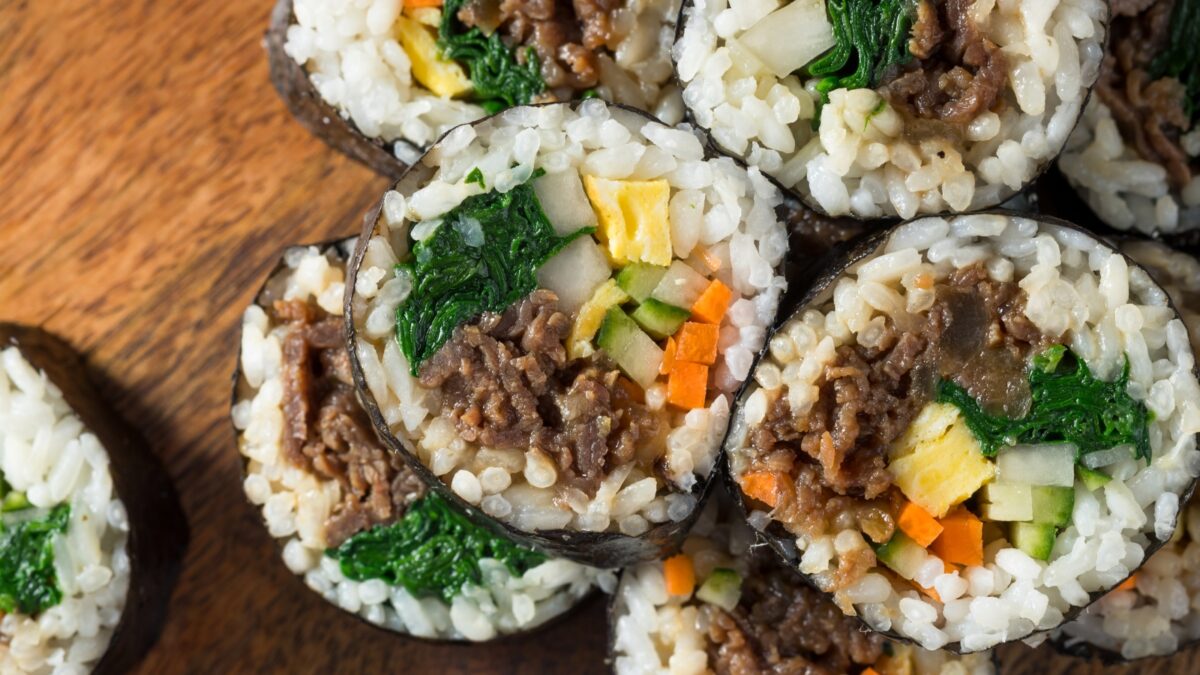
The Truth About Rice
In the expansive landscape of dietary staples, few grains enjoy as much global popularity as rice, a culinary cornerstone featured on tables worldwide in an array of delectable preparations.
Ubiquitous and versatile, rice contributes to the foundation of countless diverse dishes consumed across cultures and continents. [1]
Whether steamed, boiled, fried, or transformed into delectable sushi, rice stands out for its adaptability and widespread use.
Much like potatoes, rice boasts a broad spectrum of varieties, with white, brown, jasmine, basmati, and other rice types offering unique flavors, textures, and culinary applications.
From creamy Italian Risotto and sticky short-grain rice … to saffron-infused Spanish Paella and gingery Chinese Fried Rice, the culinary creations you can make with this blank-canvas grain are practically endless.
As our understanding of nutrition has evolved, many ancestral health advocates have proclaimed rice to be a “safe starch”, stating this grain poses fewer concerns than other “less Paleo” foods.
But is rice actually a healthy choice? And what are the potential risks associated with eating rice?
The truth is, consuming rice presents a spectrum of potential health risks, including exposure to toxic arsenic, adverse effects on blood sugar, insulin levels, and hormonal balance. What’s more, rice contains lectins and other inflammatory anti-nutrients, posing particular challenges for individuals with pre-existing digestive or immune concerns. Understanding these potential pitfalls is vital for making informed dietary choices and tailoring rice consumption to your individual health needs.
In this exploration into the world of rice, you’ll discover the nutritional intricacies of this dietary staple, shedding light on both its virtues and potential drawbacks. You’ll learn culinary tips and tricks to reduce the health risks associated with rice, the easy ways to boost its nutritional content… and even how to make rice into a superfood for your microbiome.
Rice Health Risks: Is There Arsenic in My Rice?
Arsenic (As) is a toxic metalloid chemical that has been associated with a number of chronic health conditions. Ranging from skin conditions, cardiovascular diseases, and neurotoxicity, to an elevated risk of skin, lung, and bladder cancers, research is mounting for the serious health effects of arsenic – at much lower levels of exposure than previously thought.[2] [3]
Found naturally in rice, arsenic contamination is a growing concern in this culinary staple. In fact, rice has a unique ability to accumulate large amounts of arsenic, amassing concentrations ten times higher than other cereals such as wheat [4]
The reason arsenic is found in rice is due to an intricate chemical relationship with selenium or silicic acid, which share a similar chemical structure to arsenic.[5][6] Because they look similar on a molecular level, arsenic competes with selenium for uptake by rice roots, influencing arsenic accumulation in the grain.[7]
Research shows that when selenium is lacking in the soil arsenic will be taken up more readily, increasing the risk of arsenic toxicity in rice, according to research published in the Journal of Agricultural and Food Chemistry.[8]
Certain growing regions also exhibit different risks of arsenic contamination in rice cultivation. Factors such as soil composition, water quality, and chemical agricultural practices influence this risk.
For instance, research published in the Environmental Science and Technology journal identified regions in South and Southeast Asia with higher arsenic levels, while volcanic soils in Italy and Japan were associated with lower concentrations.[9] Another study found rice produced in Taiwan and Bangladesh contains higher levels of arsenic than rice produced in other countries.[10]
What’s more, the choice of rice cultivars (or types) also significantly impacts arsenic levels. In fact, research shows there is a 3-to-37-fold variation in the ability of different rice types to accumulate arsenic! [11]
And that so-called “healthier brown rice”? Researchers in Archives of Toxicology found that brown rice contains more arsenic than white rice as the chemical accumulates in the bran layers.[12]
Plate Poisons™: Could Your “Healthy” Kale Salad
Be Making You Sick and Bloated?
Dr. Steven Gundry, world-renowned heart surgeon and best-selling author, says there’s ONE specific veggie people over 40 should never eat.
Despite the fact this veggie is claimed to be a “superfood”, it can actually cause damage to your gut, causing bloating and gas… not to mention fatigue and brain fog.
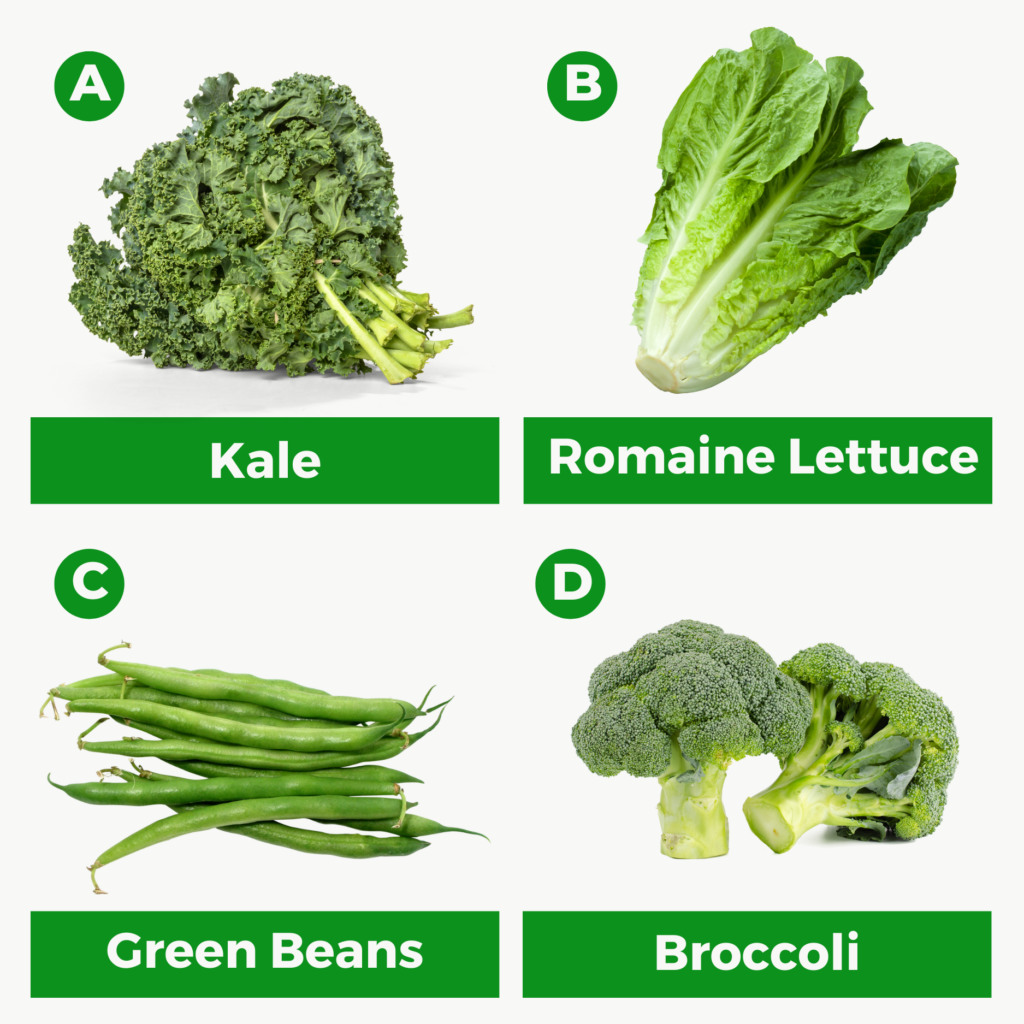
Do you know which of the veggies below is the “plate poison”?
Click the link below and get the answer from Dr. Gundry on the next page:
Low Arsenic Rice Guide: Cheat Sheet by Region + Varietal
Now that’s you’ve learned about the factors that can influence the content of arsenic in rice, let’s take a look at this “cheat sheet” list of rice varietals and regions that are considered to have lower arsenic levels:
- Basmati Rice: Basmati rice, particularly varieties grown in regions like India and Pakistan, is often associated with lower arsenic levels.[13]
- Jasmine Rice: Jasmine rice, commonly grown in Thailand and other Southeast Asian countries, is another option known for having lower arsenic content.[14]
- California-Grown Rice: Rice produced in California, particularly in the Sacramento Valley, has been reported to have lower arsenic concentrations compared to certain international sources.
- Italian Rice: Regions with volcanic soils such as those around Mount Vesuvius cultivate rice. Some traditional Italian rice varieties that might be cultivated in volcanic soils include Carnaroli, Arborio, and Vialone Nano. These varieties are well-known for their use in risotto dishes.
- Japanese Rice: In Japan, where volcanic soils are found in regions like Niigata and Akita, various rice varieties are cultivated. Popular Japanese rice cultivars include Koshihikari, Sasanishiki, and Akita Komachi. Keep in mind, Japanese rice may have risks with regards to radioactivity due to the Fukushima incident, studies are ongoing. [15][16]
Internationally, be sure to avoid rice from Taiwan and Bangladesh. In the US, avoid rice from Arkansas, Louisiana, Missouri, and Texas, which account for 76 percent of domestic rice, according to Consumer Reports[17][18]
Now, let’s talk a little more about the controversial subject of…
Brown Rice vs White Rice (Is Brown Rice Really Healthier?)
There is a prevailing notion that brown rice is inherently healthier than its white counterpart, due to its fiber and additional nutrient content. However, recent research challenges these assumptions.
A study published in the American Journal of Clinical Nutrition found that the differences in nutrient content between brown and white rice are not as significant as commonly believed.[19] The study highlighted that while brown rice contains more fiber and certain micronutrients, the variations may not be substantial enough to label it definitively healthier.
Especially when you take into consideration the unique inflammatory and anti-nutrients present in brown rice, such as lectins and phytic acid…
Lectins are proteins found in many plant foods, including brown rice. These little compounds are no small risk for many people, especially those with a history of cardiovascular, digestive or autoimmune disease. In fact, lectins have been found to increase systemic inflammation, alter gut function, impair immune function and even hamper hormonal status.[20][21]
These toxic compounds can even be deadly, in some cases. Ricin from the castor bean is one example of a deadly lectin that attacks our cell directly, preventing them from creating the proteins needed for life.[22] Kidney beans are another that contain the toxic lectin phytohaemagglutinin. Consumed raw or undercooked these innocuous-seeming beans can cause “kidney bean poisoning” resulting in severe abdominal pain, vomiting, and diarrhea from a rapid unhealthy shift in the microbiome.[23][24]
Lectins in rice can even act like gluten. In fact, researchers discovered that while rice is technically “gluten free” it does contain gluten-like compounds that can be problematic for those who are sensitive to gluten or suffer with Celiac disease.[25]
A study published in the Journal of Agricultural and Food Chemistry investigated the lectin content in various rice varieties.[26] They found that lectin levels varied widely among different rice cultivars, highlighting the need to consider your unique sensitivity to lectins when it comes to consuming rice.
Phytic acid is another anti-nutrient compound in rice. It is known to bind minerals, reducing their bioavailability, or the ability for your body to utilize them. A study published in the European Journal of Clinical Nutrition explored the phytic acid content in different rice types.[27] They discovered that brown rice generally contains higher levels of phytic acid than white.
Understanding the presence of toxins and anti-nutrients in our food supply can help us make informed decisions based on our own individual health needs, and within the context of a healthy nutrient-dense diet.
But we go even a step further, with…
Two Culinary Techniques to Reduce Toxins in Rice
In today’s modern world, it’s vital to reduce our body’s toxic burden. And one of the best ways we can lighten our toxic load is with the foods we choose… and the ways we prepare them.
The first way to help reduce the toxins naturally present in rice is simply to rinse it well.
A recent study published in Food Chemistry found that rinsing significantly decreased the levels of pesticides and heavy metals on rice surfaces. Use a ratio of six (6) cups water to one (1) cup rice for optimum residue removal. And remember – every time you rinse your rice with this simple 1-minute method, you’re reducing your body’s exposure to harmful contaminants, which accumulate over time, increasing disease risk.[28]
The second way to reduce the toxins in rice is to use a pressure cooker.
Study upon study shows the pressure cooker is one of the healthiest ways to prepare your food. Pressure cooking involves using steam and high pressure, which has been shown to alter the chemical composition of rice, specifically when it comes to anti-nutrients and contaminants.
A study in the Journal of Food Science and Technology investigated the impact of different cooking methods, including pressure cooking, on the reduction of phytic acid in rice. The findings revealed that pressure cooking led to a significant reduction in phytic acid levels compared to other cooking methods. This is important as phytic acid can hinder the absorption of essential minerals, like magnesium and potassium, of which many of us are critically deficient.[29]
Another study published in the Journal of Food Science, evaluated various cooking methods and their impact on lectin content. The researchers found that pressure cooking resulted in a substantial reduction in lectin levels compared to other cooking methods.[30] This cooking hack is especially significant as lectins can have adverse effects on nutrient absorption, as well as harmful digestive and immune effects in certain people.
What’s more, pressure cooking also helps to cut arsenic levels in rice – once again, better than any other cooking method tested! A study published in the Journal of Agricultural and Food Chemistry found that pressure cooking was more effective in reducing arsenic levels than boiling or traditional Asian rice cooking methods.[31]
Cooking rice in a pressure cooker for 20-25 minutes at high pressure is sufficient to reduce anti-nutrient levels effectively while ensuring the rice is properly cooked. This cooking duration allows for thorough hydration and gelatinization of the rice grains, which not only helps break down anti-nutrients such as lectins and phytic acid, but also promotes the formation of resistant starch (which you’ll learn about in the next section).[32]
Now that you know how to reduce rice health risks in terms of contaminants and anti-nutrients, let’s talk about its safety as it relates to your blood sugar and insulin levels…
The “Uncarb” in Rice: Maximizing Blood Sugar + Microbiome Benefits of Functional Carbohydrates
We often think of rice as a food that increases blood sugar. And as a moderate-to-high glycemic carbohydrate, it does in many people.
But did you know that rice that has been cooked and cooled– like sushi rice – can actually help to stabilize blood sugar and even improve insulin sensitivity?
This is due to a special kind of “functional carbohydrate” called resistant starch (RS) that is formed during the cooling process. I previously coined resistant starch “the uncarb” as it behaves almost completely opposite of the traditional carb counterparts.
Here’s how resistant starch is formed with culinary chemistry and the way it works in the body…
When rice undergoes the process of cooking and cooling, its starch transforms much like a slinky that has been stretched and then allowed to return to its original shape. Initially, the starch molecules in rice are tightly packed, akin to a compressed slinky. However, when rice is cooked and subsequently cooled, the starch molecules undergo a structural change, forming a starch molecule that “resists” digestion.
This transformation is comparable to the elongation and relaxation of a slinky as it returns to its original coiled shape after being stretched. Just as the slinky retains some of its stretched properties even after recoiling, cooled rice maintains a portion of its newly formed resistant starch, which confers various health benefits, namely improved gut health and enhanced insulin sensitivity.
Resistant starch acts similarly to dietary fiber, resisting digestion in the small intestine and instead fermenting in the colon. During fermentation, unique compounds called short-chain fatty acids (SCFAs) are produced, which have long been associated with improved insulin sensitivity and reduced risk of insulin resistance.[33]
A study published in The American Journal of Clinical Nutrition investigated the effects of cooled rice on post-meal glucose and insulin responses in healthy individuals. The researchers found that eating cooled rice with meals led to lower post-meal glucose and insulin levels compared to freshly cooked rice, indicating improved insulin sensitivity. The researchers attributed these beneficial effects to the increased resistant starch content in the cooled rice, which slowed the digestion and absorption of carbohydrate.[ 34]
A study published in the European Journal of Clinical Nutrition investigated the glycemic and insulin impact responses to different types of resistant starch. They found that resistant starch can significantly reduce the glycemic and insulin responses of a meal.[35]
A large meta-analysis in the Journal of the American College of Nutrition examined the impact of resistant starch on glycemic control. Researchers found that eating resistant starch can be a practical approach for improving glycemic control, particularly in individuals with insulin resistance or type 2 diabetes.[36]
In addition to improved blood sugar metabolism, resistant starch also has powerful effects on gut health. In fact, resistant starch acts as a prebiotic, a substance that promotes the growth of healthy gut bacteria.
A study published in PLoS One investigated the impact of resistant starch on the composition of the gut microbiome. The research demonstrated that resistant starch promotes the growth of beneficial bacteria, such as Bifidobacteria, while inhibiting the growth of potentially harmful bacteria.[37]
So, maybe you’re wondering: What’s the best way to cook and cool rice to maximize its resistant starch content?
A study published in the European Journal of Clinical Nutrition investigated the effects of various cooking and cooling methods on the resistant starch content of rice. The researchers found that freezing cooked rice led to a substantial increase in resistant starch levels compared to freshly cooked rice.[38]
Because eating rice with higher levels of resistant starch can have a multitude of beneficial effects on health, including improved gut health, enhanced insulin sensitivity, and better blood sugar control, enhancing your rice with this easy “freezer trick” may add both convenience and health benefits to your rice regime.
Now, if you like to enjoy your rice drizzled with olive oil, or a pat of melted grass-fed butter, I have some even better news…
Further Reduce the Glycemic Impact of Rice with These Two Ingredients
Eating carbohydrates with fats is a well-known method for reducing the overall glycemic impact. [39]
That’s because fat slows down the digestion and absorption of carbohydrates, leading to a more gradual release of glucose into the bloodstream.
An early study published in the 1987 edition of The American Journal of Clinical Nutrition investigated the glycemic response to rice when consumed with different fats, including butter and coconut oil. They discovered that the addition of fats significantly reduced the glycemic response to rice, by slowing down gastric emptying, leading to a slower rise in blood sugar levels. [40]
The amount of fat that should be added to reduce the glycemic impact of a meal will depend on various factors, including the type of fat used, the amount of carbohydrates in the meal, and of course, individual metabolic and genetic factors.
Research suggests that even small amounts of fat can have a significant impact on reducing the glycemic response to carbohydrates. I aim for about 1 tablespoon of healthy fat – grass-fed butter, ghee, coconut oil, or olive oil – per serving of quick-digesting carbs, like rice, to optimize flavor and nutritional profile.
Another culinary trick to reduce the blood sugar impact? Acid!
Two studies published in European Journal of Clinical Nutrition found that adding acidic ingredients – like lemon and vinegar – during the cooking process can increase the overall resistant starch content of rice. This is because acids promote “retrogradation”, the chemical process that leads to the formation of resistant starch.[41][42]
It’s important to experiment with different amounts of fat and acids to find what works best for you in terms of taste, texture, and glycemic control. If you have concerns about blood sugar control, be sure to consult with a functional nutritionist for personalized guidance on optimizing meal composition for your unique health needs.
The Healthiest Way to Eat Rice
Often considered a “safe starch”, rice seems to have some distinct advantages over other grains, such as wheat.
With that said, eating rice doesn’t come without its potential risks…
In this article you discovered the importance of choosing the right type of rice, preparing it in a way to minimize anti-nutrients and toxins, and the specific ingredients you can use to balance its typically high glycemic impact.
Here’s a research-backed recipe that puts it all together for preparing the healthiest rice:
The Healthiest Rice Recipe
- First, start with a low contaminant rice varietal, such as basmati or jasmine.
- Rinse rice well using a ratio of 6 cups filtered water to 1 cup rice. Drain and discard the excess water.
- Pressure cook rice in filtered water according to manufacturer’s instructions and rice varietal specifications. Add lemon juice or vinegar to the cooking water to enhance the amount of resistant starch formed.
- Allow rice to cool after cooking.
- Place cooled rice into freezer-friendly containers. (I like silicone molds to create perfectly portioned rice, which I then transfer into larger freezer zip-top bags)
- Freeze rice.
- Reheat and serve with a healthy fat (grass-fed butter, ghee, coconut oil, olive oil are preferred)
Because rice is a low nutrient density food with potential downsides, it should be enjoyed in moderation (if tolerated), prepared properly, and enjoyed in the context of a nutrient-rich diet.
Here are a few of my favorite meals that include optimized rice:
- Wild Salmon Bowls with Classic Sushi Rice, Avocado & Salmon Roe
- Instant Pot Bone-In Butter Chicken Thighs with Basmati Rice
- Double Cut Pork Chop Marsala with Buttery Jasmine Rice & Baby Bellas
- Asian Grass-Fed Steak Fried Rice with Bone Marrow
References (42)
- Meharg AA, Williams PN, Adomako E, et al. Geographical variation in total and inorganic arsenic content of polished (white) rice. Environ Sci Technol. 2009;43(5):1612–7. (PubMed)
- Carlin DJ, Naujokas MF, Bradham KD, et al. Arsenic and Environmental Health: State of the Science and Future Research Opportunities. Environ Health Perspect. 2016 Jul;124(7):890-9. doi: 10.1289/ehp.1510209. Epub 2015 Nov 20. PMID: 26587579; PMCID: PMC4937867. (PubMed)
- Carlin DJ, Naujokas MF, Bradham KD, et al. Arsenic and Environmental Health: State of the Science and Future Research Opportunities. Environ Health Perspect. 2016 Jul;124(7):890-9. doi: 10.1289/ehp.1510209. Epub 2015 Nov 20. PMID: 26587579; PMCID: PMC4937867.(PubMed)
- Ma JF, Yamaji N, Mitani N, et al. Transporters of arsenite in rice and their role in arsenic accumulation in rice grain. Proceedings of the National Academy of Sciences. 2008;105(29):9931–5. (PubMed)
- Pokhrel GR, Wang KT, Zhuang H, et al. Effect of selenium in soil on the toxicity and uptake of arsenic in rice plant. Chemosphere. 2020 Jan;239:124712. doi: 10.1016/j.chemosphere.2019.124712. Epub 2019 Aug 30. PMID: 31499310. (PubMed)
- Ma JF, Yamaji N, Mitani N, Xu X-Y, Su Y-H, McGrath SP et al. Transporters of arsenite in rice and their role in arsenic accumulation in rice grain. Proceedings of the National Academy of Sciences. 2008;105(29):9931–5. (PubMed)
- Li X, Yu Y, Jiang Y, et al. Selenium supplementation decreases arsenic accumulation in rice grains by reducing arsenite influx in rice roots. Journal of Agricultural and Food Chemistry. 2019;67(12), 3308–3316.
- Li X, Yu Y, Jiang Y, et al. Selenium supplementation decreases arsenic accumulation in rice grains by reducing arsenite influx in rice roots. Journal of Agricultural and Food Chemistry. 2019;67(12), 3308–3316.
- Meharg AA, Williams PN, Adomako E, et al. Geographical variation in total and inorganic arsenic content of polished (white) rice. Environ Sci Technol. 2009;43(5):1612–7. (PubMed)
- Abedi T, Mojiri A. Arsenic Uptake and Accumulation Mechanisms in Rice Species. Plants (Basel). 2020 Jan 21;9(2):129. doi: 10.3390/plants9020129. PMID: 31972985; PMCID: PMC7076356. (PubMed)
- Norton GJ, Pinson SR, Alexander J, et al. Variation in grain arsenic assessed in a diverse panel of rice (Oryza sativa) grown in multiple sites. New Phytol. 2012;193(3):650–64. doi: 10.1111/j.1469-8137.2011.03983.x. (PubMed)
- Gundert-Remy U, Damm G, Foth H, Freyberger A, et al. High exposure to inorganic arsenic by food: the need for risk reduction. Arch Toxicol. 2015;89(12):2219–27. doi: 10.1007/s00204-015-1627-1. (PubMed)
- How Much Arsenic is In Your Rice? Consumer Reports. (Link)
- Arsenic in Your Food. Consumer Reports. (Link)
- Rakwal R, Hayashi G, Shibato J, Deepak SA, Gundimeda S, et al. Progress Toward Rice Seed OMICS in Low-Level Gamma Radiation Environment in Iitate Village, Fukushima. J Hered. 2018 Feb 14;109(2):206-211. doi: 10.1093/jhered/esx071. PMID: 28992201. (PubMed)
- Unno Y, Hachinohe M, Hamamatsu S, Todoriki S, Yunoki A, Miura T. Characterization of brown rice as a certified reference material for Fukushima accident-related radioactivity measurements. Appl Radiat Isot. 2014 May;87:485-8. doi: 10.1016/j.apradiso.2013.11.036. Epub 2013 Nov 25. PMID: 24342561. (PubMed)
- Arsenic in Your Food. Consumer Reports. (Link)
- How Much Arsenic is In Your Rice? Consumer Reports. (Link)
- Foster-Powell K, Holt SH, Brand-Miller JC. International table of glycemic index and glycemic load values: 2002. The American Journal of Clinical Nutrition. 2002;76(1), 5-56. (PubMed)
- Petroski W, Minich DM. Is There Such a Thing as “Anti-Nutrients”? A Narrative Review of Perceived Problematic Plant Compounds. Nutrients. 2020 Sep 24;12(10):2929. doi: 10.3390/nu12102929. PMID: 32987890; PMCID: PMC7600777. (PubMed)
- Vasconcelos IM, Oliveira JT. Antinutritional properties of plant lectins. Toxicon. 2004 Sep 15;44(4):385-403. doi: 10.1016/j.toxicon.2004.05.005. PMID: 15302522. (PubMed)
- Grela P, Szajwaj M, Horbowicz-Drożdżal P, Tchórzewski M. How Ricin Damages the Ribosome. Toxins (Basel). 2019 Apr 27;11(5):241. doi: 10.3390/toxins11050241. PMID: 31035546; PMCID: PMC6562825. (PubMed)
- Pusztai A, Grant G, Spencer RJ, et al. Kidney bean lectin-induced Escherichia coli overgrowth in the small intestine is blocked by GNA, a mannose-specific lectin. J Appl Bacteriol. 1993 Oct;75(4):360-8. doi: 10.1111/j.1365-2672.1993.tb02788.x. PMID: 8226393. (PubMed)
- Rodhouse JC, Haugh CA, Roberts D, Gilbert RJ. Red kidney bean poisoning in the UK: an analysis of 50 suspected incidents between 1976 and 1989. Epidemiol Infect. 1990 Dec;105(3):485-91. doi: 10.1017/s095026880004810x. PMID: 2249712; PMCID: PMC2271815. (PubMed)
- Kolberg J, Wedege E, Sollid L. Immunoblotting detection of lectins in gluten and white rice flour. Biochem Biophys Res Commun. 1987 Feb 13;142(3):717-23. doi: 10.1016/0006-291x(87)91473-2. PMID: 3827897. (PubMed)
- Vasconcelos IM, Oliveira JT. Antinutritional properties of plant lectins. Toxicon. 2004 Sep 15;44(4):385-403. doi: 10.1016/j.toxicon.2004.05.005. PMID: 15302522. (PubMed)
- Egli I, Davidsson L, Juillerat MA, Barclay D, Hurrell, R F. The influence of soaking and germination on the phytase activity and phytic acid content of grains and seeds potentially useful for complementary feeding. Journal of Food Science. 2002;67(9), 3484-3488. (Link)
- Zhao X, Liu Y, Wang L, Zhan J. Rinsing rice before cooking: A useful and simple way to reduce arsenic exposure from rice-based food. Food Chemistry. 2017;218, 152-159
- Ahmed S, Rao AS, Yadav DN. Phytic acid and nutrient content of Indian pulses. Journal of Food Science and Technology. 2012;49(6), 662-666
- Sharma A, Goyal R. Effect of soaking and cooking on the lectin content of pulses. Journal of Food Science. 2017;82(9), 2157-2162.
- Signes-Pastor A J, Deacon C, Jenkins RO, Haris PI, Carbonell-Barrachina Á A. Influence of cooking method on arsenic, cadmium, lead, and mercury levels in rice. Journal of Agricultural and Food Chemistry. 2018;66(13), 3397-3405.
- Jaminet P, Jaminet SC. (2012). Perfect Health Diet: Regain Health and Lose Weight by Eating the Way You Were Meant to Eat. Simon and Schuster
- Nugent, A. P. (2005). Health properties of resistant starch. Journal of AOAC International. 88(3), 769-774. (Link)
- Behall KM, Scholfield DJ, Hallfrisch J. Diets containing high amylose vs amylopectin starch: effects on metabolic variables in human subjects. The American Journal of Clinical Nutrition. 61(6), 1167-1175. (PubMed)
- Haub MD, Hubach KL, Al-Tamimi EK, Ornelas S. (2005). Different types of resistant starch elicit different glucose responses in humans. J Nutr Metab. 2010; 2010: 230501. (PubMed)
- Jenkins D J, Kendall C W, Augustin L S, et al. (2016). Effect of legumes as part of a low glycemic index diet on glycemic control and cardiovascular risk factors in type 2 diabetes mellitus: A randomized controlled trial. Arch Intern Med. 2012 Nov 26;172(21):1653-60. (PubMed)
- Martínez I, Kim J, Duffy PR, Schlegel VL, Walter J. Resistant starches types 2 and 4 have differential effects on the composition of the fecal microbiota in human subjects. PLoS One. 2010 Nov 29;5(11):e15046. doi: 10.1371/journal.pone.0015046. PMID: 21151493; PMCID: PMC2993935. (PubMed)
- Englyst H N, Kingman S M, Cummings J H. (1992). Classification and measurement of nutritionally important starch fractions. European Journal of Clinical Nutrition. 46(Suppl 2), S33–S50. (PubMed)
- Franz M J, Bantle J P, Beebe C. A, et al. (2002). Evidence-based nutrition principles and recommendations for the treatment and prevention of diabetes and related complications. Diabetes Care. 25(1), 148-198. (PubMed)
- Jenkins D J, Wolever T M, Taylor R H, et al. (1987). Glycemic index of foods: a physiological basis for carbohydrate exchange. The American Journal of Clinical Nutrition. 45(3), 704-714. (PubMed)
- Englyst H N, Kingman SM, Cummings J H. (1992). Classification and measurement of nutritionally important starch fractions. European Journal of Clinical Nutrition. 46(Suppl 2), S33–S50. (PubMed)
- Leeman M, Ostman E, Bjorck I. (2013). Vinegar dressing and cold storage of potatoes lowers postprandial glycaemic and insulinaemic responses in healthy subjects. European Journal of Clinical Nutrition. 67(12), 1281–1287. (PubMed)

Leave a Reply