

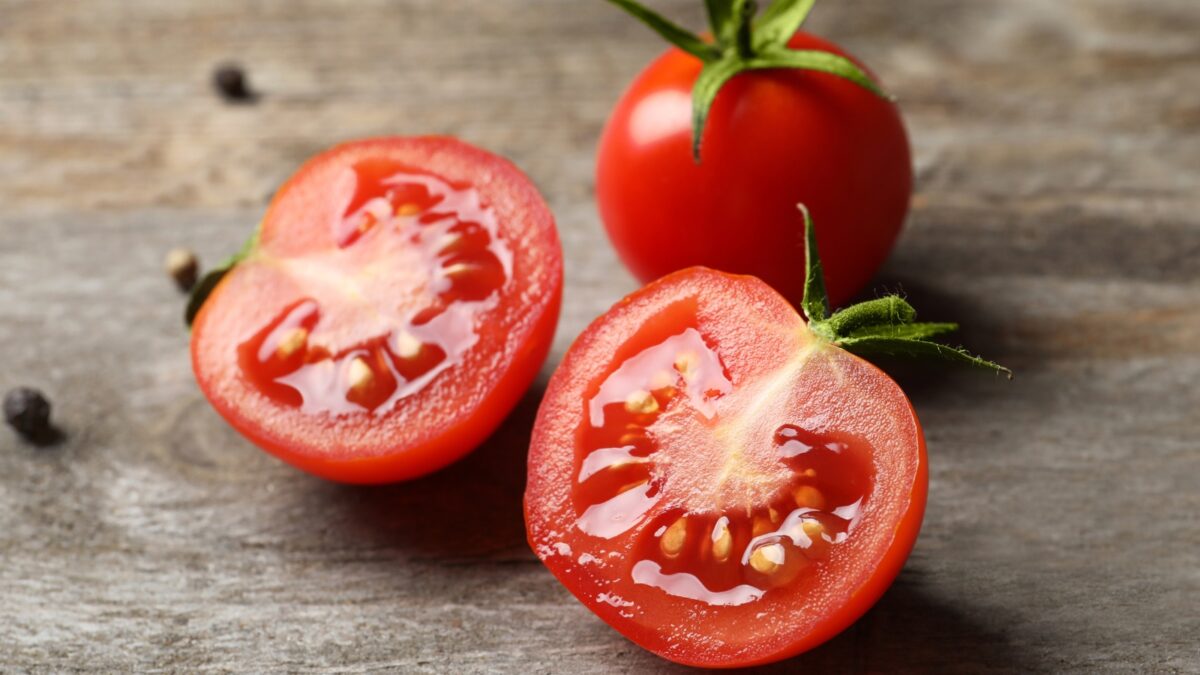
The Dangers of Tomatoes
Tomatoes are celebrated across the globe for their nutritional richness and multitude of culinary uses.
From hearty Beef Bolognese to piquant salsa, these ruby-red gems are teeming with an assortment of antioxidants, vitamins and minerals.
But are they really the “health food” they’re cracked up to be?
Tomatoes: Nutritional Powerhouse or Nightshade Nuisance?
Tomatoes are celebrated as a “superfood” and nutritional powerhouse, primarily due to the presence of lycopene, a potent antioxidant. Lycopene, responsible for the vibrant red color of tomatoes, has been extensively studied for its potential health benefits. Research shows that lycopene may play a role in reducing the risk of a number of chronic diseases, including cardiovascular disease and certain cancers.
In addition to lycopene, tomatoes provide a bevy of essential vitamins and minerals. Vitamins A and C, present in tomatoes, contribute to immune function and skin health. Potassium, a vital mineral, supports healthy blood pressure levels.
Additionally, tomatoes contain a wide array of antioxidant phytonutrients and flavonoids which help fight inflammation and oxidation – two key forces of aging.
Nightshades Unveiled: Understanding the Impact on Your Body
Despite their nutritional richness, tomatoes belong to the nightshade family, a group of plants containing naturally occurring alkaloids.
One such alkaloid is solanine, which may contribute to adverse reactions. In fact, solanine can cause inflammation in the digestive tract and may even lead to the breakdown of red blood cells. This inflammation can exacerbate arthritis, irritable bowel syndrome, acid reflux, and other gastrointestinal problems.
Individuals with food sensitivities, allergies, or autoimmune diseases should exercise caution with foods like tomatoes, as nightshades can exacerbate these conditions. Common symptoms of alkaloids include joint pain, swelling, digestive issues, heartburn, irritable bowels, or skin inflammation.
Here’s a quick list of nightshades:
- Tomatoes, all varieties
- Tomatillos
- Potatoes
- Eggplant
- Okra
- Peppers, hot and sweet
- Goji berries
- Sorrel
- Gooseberries
- Paprika
- Cayenne pepper
- Chili powder
Inflammation and Tomatoes: A Critical Connection
Inflammation is a complex biological response, and while tomatoes may offer numerous health benefits, they may cause inflammatory responses in certain people.
For those concerned about inflammation, adopting specific strategies can help mitigate risks while still enjoying the benefits of tomatoes.
For example, cooking tomatoes can reduce lectin content, a type of protein that may contribute to inflammation in some individuals. (Check out my article on why pressure cooking is a great strategy to boost nutrients, improve digestibility and reduce plate poisons™)
Choosing organic, ripe tomatoes may also reduce harmful compounds. Because tomatoes are heavily sprayed crop and one of the “dirty dozen”, opting for organic can reduce your exposure to hormone-disrupting pesticides.
Histamines in Tomatoes: Headaches, Hives & More
Histamines are naturally occurring compounds found in various foods, including tomatoes. Some people may experience histamine sensitivity, leading to symptoms like headaches, hives, or gastrointestinal discomfort.
If you’re sensitive to histamines, you may find that a high-histamine meal – such as an Italian meal containing tomato sauce and red wine – causes you to become itchy, bloated, or stuffy.
Histamine sensitivity can be influenced by various genetic factors. The breakdown and metabolism of histamine in the body are largely regulated by enzymes, particularly diamine oxidase (DAO) and histamine N-methyltransferase (HNMT). Genetic variations in the genes that code for these enzymes can impact how effectively the body breaks down and processes histamine.
For individuals with histamine sensitivity, making strategic choices about tomato consumption can make a significant difference. Choosing low-histamine tomato varieties, such as cherry tomatoes, and exploring alternative cooking methods (like pressure cooking) can allow those with sensitivities to enjoy the nutritional benefits of tomatoes while reducing their negative side.
Also consider eating tomatoes (or other high-histamine foods) with foods known to boost the activity of DAO such as wild salmon, mackerel and sardines.
Lectins in Tomatoes: Poison Proteins & Leaky Gut
Lectins are a diverse group of proteins found in many plant foods, such as legumes, grains, and nightshade vegetables.
While lectins may offer immune system modulation and other benefits, some lectins have potential health risks, including contributing to intestinal permeability or “leaky gut”.
With intestinal permeability, the lining of the intestine becomes more porous than normal, allowing substances like undigested food particles and bacteria to pass through the intestinal barrier into the bloodstream. This can trigger immune responses and inflammation, potentially contributing to various health issues.
Several studies suggest that certain lectins may interact with the cells lining the gut and potentially influence intestinal permeability. For example, lectins like wheat germ agglutinin (WGA) found in wheat and other grains have been studied for their effects on gut barrier function. (Learn more about why “sprouting grain bread” is the WORST to choose, and the healthier options)
Tomatoes, Lectins, and Heart Disease: Connecting the Dots
Leaky gut syndrome, characterized by increased intestinal permeability, has been a topic of increasing interest in the health community.
Research has explored the impact of lectins on two key factors associated with heart disease: inflammation and endothelial dysfunction.
Endothelial dysfunction refers to impaired function of the cells lining blood vessels, a key contributor to the development of hardening of the arteries (atherosclerosis) and cardiovascular disease.
Lectins such as concanavalin A, found in legumes, have been studied rather extensively and found to potential to induce inflammatory responses and affect endothelial function.
The research on tomato lectins is somewhat limited compared to studies on lectins from other sources. In vitro studies have indicated that tomato lectin (TL) may influence the expression of adhesion molecules and pro-inflammatory cytokines in endothelial cells, potentially contributing to endothelial dysfunction.
In simple terms, tomato lectin can create a “sticky” situation inside of blood vessels that may contribute to processes that promote heart disease.
Keep in mind, like everything else in science, nothing happens in a vacuum. The health effects of lectins depend on the dose and context in which they are consumed, and the specific sensitivities of the individual. To reduce lectin content in tomatoes, specific culinary methods can help reduce risks. Cooking, soaking, pressure cooking and fermenting are techniques that can have been found to reduce lectin levels.
Making Personalized Diet Choices for Optimum Health
Tomatoes may offer a plethora of health benefits, but individual responses vary. Understanding the potential risks associated with nightshades, inflammation, histamines, lectins, and their connections to issues like leaky gut and heart disease is essential for making informed choices.
As with any aspect of nutrition, a personalized approach is key. Consider consulting with healthcare professionals or nutritionists who can provide tailored advice based on your individual health conditions and dietary needs.
References (17)
- Childers NF, Margoles MS. An Apparent Relation of Nightshades (Solanaceae) to Arthritis. J Neurological and Orthopedic Medical Surgery. 1993;12(4):227-231.
- Swanson AM, Hovey KM. Elimination Diet for Autoimmune Disease: A Study of the Nightshades. Integrative Medicine: A Clinician’s Journal. 2016;15(3):42-49.
- Messina G, Fugazzola C, Monda V, et al. Role of the Mediterranean Diet in the Body Composition and Parasomnias in the Child. Mediterranean Journal of Nutrition and Metabolism. 2019;12(1):41-49.
- Gao S, Liu Q, Zhang H, et al. Characterization of the biological effects of α-solanine on human bronchial epithelial cells. Food and Chemical Toxicology. 2018;119:347-357.
- Van Loo P, de Wit N, Walbeek H, et al. Tomato seeds activate the hTRPA1 channel in a concentration-dependent manner. European Journal of Pain. 2017;21(3):470-479.
- Rao AV, Agarwal S. Role of antioxidant lycopene in cancer and heart disease. J Am Coll Nutr. 2000 Oct;19(5):563-9.
- Sesso HD, Buring JE, Zhang SM, Norkus EP, Gaziano JM. Dietary and plasma lycopene and the risk of breast cancer. Cancer Epidemiol Biomarkers Prev. 2005 Dec;14(12):1074-81.Story EN, Kopec RE, Schwartz SJ, Harris GK. An update on the health effects of tomato lycopene. Annu Rev Food Sci Technol. 2010;1:189-210.
- Cordain L, Toohey L, Smith MJ, Hickey MS. Modulation of immune function by dietary lectins in rheumatoid arthritis. Br J Nutr. 2000 Mar;83(3):207-17.Knaze V, Rothwell JA, Zamora-Ros R, Moskal A, Kyrø C, Jakszyn P, Skeie G, Weiderpass E, Santucci de Magistris M, Agudo A, et al. A new food-composition database for 437 polyphenols in 19,899 raw and prepared foods used to estimate polyphenol intakes in adults from 10 European countries. Am J Clin Nutr. 2018 Jul 1;108(1):517-524.
- Wollin A, Wang X, Tso P. Nutrients regulate diamine oxidase release from intestinal mucosa. Am J Physiol. 1998 Oct;275(4):R969-75. doi: 10.1152/ajpregu.1998.275.4.R969. PMID: 9756524.
- Jönsson T, Olsson S, Ahrén B, Bøg-Hansen TC, Dole A, Lindeberg S. Agrarian diet and diseases of affluence – Do evolutionary novel dietary lectins cause leptin resistance? BMC Endocr Disord. 2005;5:10. doi:10.1186/1472-6823-5-10.
- Fasano A. Zonulin and its regulation of intestinal barrier function: the biological door to inflammation, autoimmunity, and cancer. Physiol Rev. 2011;91(1):151-175. doi:10.1152/physrev.00003.2008.
- Pusztai A, Bardocz S. Lectins as bioactive plant proteins: a potential in cancer treatment. Crit Rev Food Sci Nutr. 1994;34(3):191-209. doi:10.1080/10408399409527660.
- Cordain L, Toohey L, Smith MJ, Hickey MS. Modulation of immune function by dietary lectins in rheumatoid arthritis. Br J Nutr. 2000 Mar;83(3):207-17. doi:10.1017/s0007114500000271.
- Van Poppel G, Verhoeven DT, Verhagen H, Goldbohm RA. Brassica vegetables and cancer prevention. Epidemiology and mechanisms. Adv Exp Med Biol. 1999;472:159-68. doi:10.1007/978-1-4757-3230-6_15.
- Jönsson T, Olsson S, Ahrén B, Bøg-Hansen TC, Dole A, Lindeberg S. Agrarian diet and diseases of affluence – Do evolutionary novel dietary lectins cause leptin resistance? BMC Endocr Disord. 2005;5:10. doi:10.1186/1472-6823-5-10.
- Sánchez-Chino X, Jiménez-Martínez C, Davila-Ortiz G, Álvarez-González I, Madrigal-Bujaidar E, Martínez-Martínez CM. Lectins isolated from fruits have cysteine protease inhibitory activity and affect the viability of human gastric epithelial cells in vitro. Evid Based Complement Alternat Med. 2016;2016:3272093. doi:10.1155/2016/3272093.
- Lee JB, Srisomporn P, Hayashi K, Lee YC. A role of tomato lectin in host defense against glycosidase-mediated infection in Drosophila. FEBS Lett. 2012 Oct 19;586(20):3716-22. doi:10.1016/j.febslet.2012.08.035.

Leave a Reply