

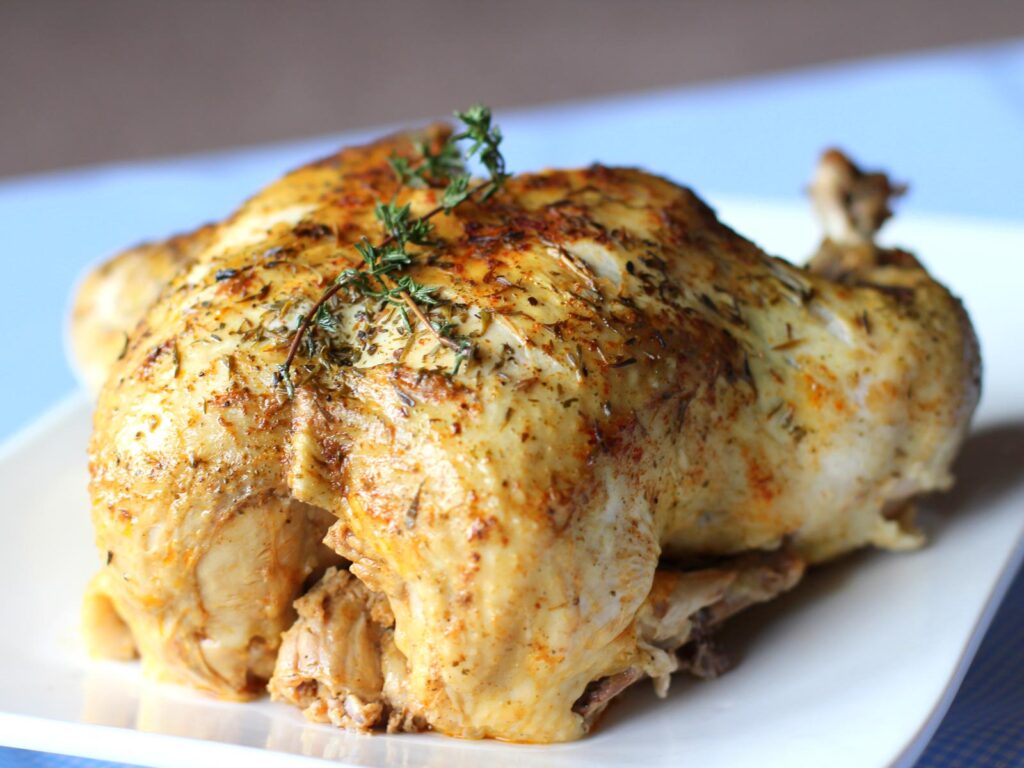
What if I told you that there was a way to cook your food with the following results:
- Up to 90 percent less cooking time
- 90 percent nutrient retention
- Greater digestibility
- Fewer harmful cooking byproducts
And what if I told you that this method will also produce some of the most succulent, flavorful and easy-to-make meals that you have ever set on the table?
Sounds too good to be true, right? Well, it’s not! In fact, this unique way of cooking has been around for more than 300 years, since its invention by a French physician in 1679.

What is this cooking method? Pressure cooking!
You’ve probably tasted foods prepared in a pressure cooker before, perhaps from your mother or grandmother. But you may have shied away from using one due to their “dangerous” reputation. The truth is that while there are some stories about “exploding” pressure cookers, these stories almost invariably relate to the early-generation models used in the 1940s and 50s. Today’s pressure cookers (Amazon link) are virtually foolproof and are no less safe than any other kitchen tool when used properly.
So, let’s take a look at the many benefits of using a pressure cooker:
#1 – Using a Pressure Cooker Provides Superior Nutrient Retention and Bioavailability
Researchers estimate the nutrients in our foods have declined dramatically (up to 50 percent in some foods) due to the depletion of nutrients in the soil. When you combine that with many cooking methods, which destroy or drain nutrients away from your food, the result is meals that just don’t provide the nutritional value your body needs.

A pressure cooker can greatly reduce the time it takes to cook your food. This directly correlates with the loss of fewer heat-sensitive nutrients. Let’s take a look at the research:
- In Plant Foods for Human Nutrition, researchers found that pressure cooking was the best method for retaining both vitamin C and beta-carotene in spinach and amaranth
- A study published in The Journal of Food Science found that pressure cooked broccoli retained 90 percent of its vitamin C content. Compare this to boiling (66 percent retention) or steaming (78 percent).
- A study published in the Journal of Food Science and Technology found that pressure cooking increased the amount of beneficial phenolics in bananas. Researchers believe that the high pressure broke the banana’s cell walls, making the nutrients more bioavailable.
But using a pressure cooker won’t just help boost the levels of nutrients you get from your food… it can also help reduce health harming compounds, as well.
#2 – Using a Pressure Cooker Helps to Reduce Health-Harming Compounds (Including Acrylamide, HCA’s, Lectins and Phytic Acid)
Because a pressure cooker basically uses “steam under pressure”, foods stay moist. They are literally bathed in steam as they cook. This translates to juicier, better tasting food. It also helps eliminate two cancer-causing compounds (acrylamide and heterocyclic amines) which are often produced by other high-heat cooking methods.
And if you’re concerned about lectins and phytic acid – two anti-nutrients in grains, legumes and pseudograins like quinoa which can bind to minerals and make them indigestible – the pressure cooker can help there too.
In fact, another study published in Plant Foods for Human Nutrition showed that when peas were soaked overnight and then boiled, their phytic acid content was reduced by 29 percent. On the other hand, when they were soaked overnight and then pressure cooked, the reduction in this unhealthy anti-nutrient was almost double (54 percent).
Similar results were found with lectins in the Journal of the Science of Food and Agriculture.
#3 – Pressure Cooking Helps Boost Digestibility
As you may have heard before, you’re not what you eat… but rather, what you absorb.
Boosting the digestibility of your food is a key to maximizing the potential nutritional value of every bite.
And the pressure cooker can help you accomplish this too.
The combination of steam and pressure can make even the toughest meats succulent and tender. And tenderness is a key sign that a food is easy for your body to digest.
In the case of the hard-to-break-down protein in legumes, the pressure cooker has been found to increase the digestibility by as much as 84 percent.
#4 – Save Time and Money with a Pressure Cooker
If all of these benefits aren’t enough to get you pressure cooking, consider this: You’ll also save time and money.
You can cook a whole chicken to fall-off-the-bone tender in just half an hour… make butter-knife tender shredded pork or beef in less than 2 hours… make gelatin-rich bone broth in 30 minutes… cook a large winter squash in 10 minutes… as well as Brussels sprouts and most other veggies in less than five!
And by saving cooking time, you’ll also save money on your electric bill.
If you don’t have a pressure cooker yet, there are many high-quality, inexpensive options available. The third-generation Instant Pot is the one I use. The vessel is made of stainless steel, which is another benefit if you are concerned about the leaching that can occur in ceramic slow-cookers or the chemicals in non-stick coatings. The cost is about $115 and it comes with a variety of safety features and ease-of-use benefits.
Once you start cooking these fast, nutrient-rich, fork-tender meals with your pressure cooker, you’ll never want to use anything else!
We want to hear from you! Do you use a pressure cooker? If so, what kind do you use and what is your favorite dish to make?



Hi Kelley,
I have used a pressure cooker for years. At first I used my mom’s pressure cooker that she got when she got married (gave me a kick to use a kitchen appliance that was as old as I am), but I got concerned about it being aluminum, so I bought a stainless steel one. It cooks on the stove and has a removable steam “jiggler”, which I just take off the vent when I am cooling it down. When the steam is done coming out of the vent, it is ready to open. One of the selling points the person demo-ing the pan had is the steam coming out of the vent is never very hot, just pleasantly warm, unless you hold your hand an inch from the vent, in which case it is VERY hot.
Anyway, I use it frequently for pork and beef dishes. One of my favorites is to pressure cook boneless pork ribs in the metal basket on top of a big cut up onion. You can sear the meat first or not, season how you like or dump BBQ sauce on it, add some water or broth, seal it up and away you go. Cook for 45 mins, remove the meat, dump the onions back into the broth, then I use a stick blender to puree the onions with the broth, reduce over medium-high for a couple minutes, and you have a lovely, thick gravy with no flour or other grain-based thickeners. Serve over whipped cauliflower, and viola! Quick, low-carb dinner.
Hi Susan!
Thank you for taking the time to share your experience with pressure cooking.
Good call on the aluminum – all of the older versions I remember were aluminum. Might be easy on the arms, but certainly hard on the body and brain.
I just got some pork ribs and will have to try your recipe. Sounds delicious and I love the idea of making a simple sauce with the cooked pureed onions over a nice cauliflower mash.
Be Well!
Kelley
Speaking to the Life Extension folks, I was told that most probably the >212 deg. F would destroy nutrients. Your earlier answer didn’t exactly address this.
Comment please.
Thanks
Hi Steve,
Thank you for your comment.
But I think I did answer the question in response to Erika above. Several potentially negative things can occur when cooking at high temperatures. However, many nutrients need heat in order to be best absorbed by the body. Unfortunately, it is not a simple formula of “anything cooked over 212 F is bad”. There are many factors to consider. Dry heat or moist? Is AGE-reducing lemon juice/acid, spices or marinade used?
You may want to read this recent study for specific foods, cooking methods and AGEs: Uribarri J, Advanced glycation end products in foods and a practical guide to their reduction in the diet. J Am Diet Assoc 2010;110:911-916.
Also, to note with pressure cooking: HIGH pressure is only 250 F. Compare that to grilling or broiling at 400 F+. I can cook a chicken breast in 8 minutes at 250 F in the pressure cooker, or 16 minutes at 400 F on the grill. Which is better?
Regarding cooking meats at/below 212 F, the only method I know of that will produce tasty results at that temperature is sous vide. This method takes a very long time and requires the meat be placed in a plastic bag to cook. This causes leaching of estrogenic plastic chemicals and other nasty endocrine disruptors into the food that have been found to promote cancer, fertility issues, diabetes and much more.
With all of this said, I am a big believer in eating large quantities of organic vegetables and roughly 50-70% of those raw, when tolerated. This means organic green juices (organic kale, spinach, fennel, ginger, spinach, lemon and maybe a small bit of apple) and a big green salad every day. I say “when tolerated” as many people with digestive issues cannot tolerate uncooked veggies. One size does not fit all.
I hope this provides a bit more insight on the topic or at least a place to start your exploration.
Be Well,
Kelley
By the way, I use a Duromatic (stainless steel). Very quiet. Can use a very small amount of water. It has 3 safeties and can even run dry, which is not recommended!
By the way #2, I thought a Silit, a ceramic pot, is toxicologically safer than stainless steel. I guess i was wrong.
Thanks
We have a Breville pressure cooker, and we love it! Our favorite dishes are chicken curry, pot roast, green beans and broccoli with bacon and onions! 🙂
I LOVE your site. I just started using a pressure cooker when we moved into our new home. The stove top didn’t work, so figured I would try this and LOVE it.
I have owned a pressure cooker for over 20 years and never cooked a meal in it. I sure do a lot of canning in it for both water bath and pressure canning about 9 months out of the year. I don’t remember the maker or if it’s aluminum or other without checking I would say aluminum do to the weight so if may have purchase another one to actually start cooking in one. I am definitely tempted to give this a try. .
I ordered the book Better Breads and Crusts for $14.00. It’s been charged to my credit card. I did not receive a receipt in my email and nothing comes up on my email to download it.
Hi Jan,
We’re happy to help you with this. You should have received a receipt from Clickbank immediately with your download links, and then a follow up email from us welcoming you.
We have passed this on to our customer service team. Please watch your email for a follow up shortly.
For future reference, any customer service issue can be handled at info AT healinggourmet DOT com
Be Well,
Kelley
My mother used a stove top pressure cooker and taught me to use it when I was very young. I have had a stove top model for many years but never used it. I received an Instant Pot for Christmas and use it several times a week. Food tastes amazing. Some of my favorites so far have been chicken and noodles, pot roast with potatoes, bone broth, hard boiled eggs, key lime pie, mac & cheese, Brussels sprouts with bacon, ribs, wings and black eyed peas. So easy to use and I don’t make as big a mess as when I’m cooking on the stove.
Love my Instant Pot. It replaces a number of other kitchen appliances.
What about the higher temperature factor? Wouldn’t the higher temperature kill off many more valuable nutrients, offsetting any benefits gained by speed? I used a pressure pot for years overseas, mostly for beans and ‘caramel’ made by pressuring cans of sweetened condensed milk.
Hi Lenita,
Thanks for your question.
Actually, when you apply pressure, the temperature can be lower, as temperature and pressure are inversely related.
Check out Laura’s great website and her explanation of how pressure cooking works: http://www.hippressurecooking.com/how-the-pressure-cooker-works/
Be Well,
Kelley