

Prevent Skin Cancer with Food
Two-thirds of Americans use sunscreen to guard against skin cancer. And we’ve been liberally slathering and spraying these chemicals on our skin for decades for skin cancer prevention.
But the rates of skin cancer haven’t gone down. In fact, they continue to rise.
And that includes deadly melanoma. According to the National Cancer Institute, about 54,000 Americans are diagnosed with melanoma each year. That is triple the incidence of this cancer from 30 years ago.
So what is to blame for the continued rise in skin cancer?
There are several factors that can account for this. And one of the most important lies in our diet.
The Real Cause of Skin Cancer
The Standard American diet is abundant in foods that promote free radicals. These unstable molecules can cause damage to tissues throughout the body – including the skin. The average American’s diet is also deficient in the foods that provide antioxidant protection against these free radicals.
This is a dietary “double whammy” that creates the perfect environment for all types of cancer – including skin cancer.
But the good news is that you can dramatically reduce your risk of skin cancer by modifying three key factors in your diet.
#1 – Reduce Sugar and Carbohydrates
A diet that is high in sugar and refined carbohydrates has been clinically shown to increase your risk of cancer. That’s because these foods dramatically increase inflammation and oxidation in the body.
A study published in the Journal of Clinical Endocrinology and Metabolism found that excess blood sugar stimulates the formation of free radicals. It also showed that this can cause oxidative damage within just two hours after sugar is consumed.
Eating high-glycemic carbohydrates also stimulates the release of insulin. High insulin levels promote the storage of fat. But it also directly stimulates the growth of cancer cells. In fact, cancer cells have been shown to have six to ten times more insulin receptors than healthy cells.
Cancer cells also use much more glucose to create energy than healthy cells. In other words, cancer feeds on sugar. A high sugar diet is like throwing fuel on a fire.
Keeping your blood sugar low and stable is crucial to preventing all forms of cancer.
To reduce your risk, avoid sugar-sweetened foods and beverages. Also avoid grains and cereals. These foods might not taste sweet. But they are rapidly converted to sugar in the body.
#2 – Reduce Omega-6 and Boost Omega-3
The amount of fat we eat has not changed significantly over the past century. But the type of fat has changed dramatically. As we shifted from a diet rich in animal fats to one rich in vegetable oils, cancer rates rose dramatically.
The reason? Polyunsaturated fats.
Polyunsaturated fats (including omega-3 and omega-6) are essential for your health. However, the American diet is excessively high in omega-6 fats. These fats are found in vegetable oils like corn, soy, safflower and sunflower oil.
Omega-6 fats promote oxidation and inflammation. This can be the driving force behind the growth of skin cancer and its ability to spread to nearby tissues and organs.
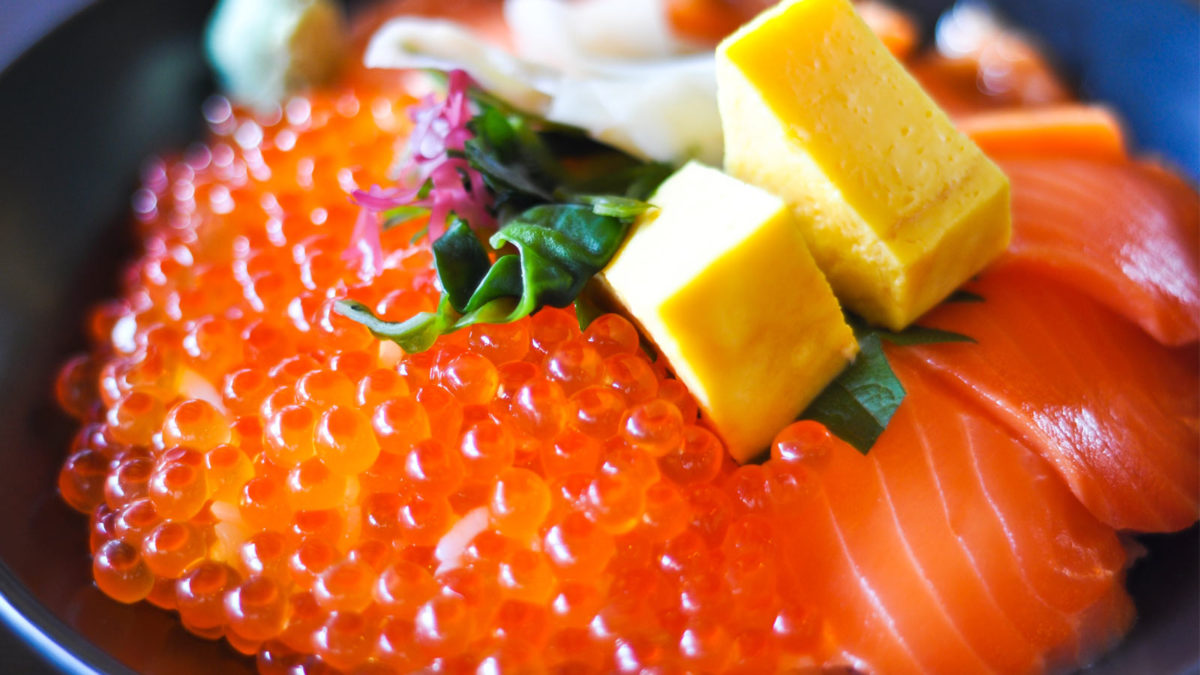
While the Standard America Diet contains an abundance of cancer-promoting omega-6, it is extremely deficient in omega-3 fats. These fats are found in wild Alaskan salmon, sardines and grass-fed meat. They can also be taken as fish oil. Omega-3s have strong anti-cancer properties.
It is the imbalance between omega-6 fats (which promote cancer) and omega-3s (which inhibit it) that sets the stage for the disease.
In fact, the National Academy of Sciences published a review showing that our omega-6 to omega-3 ratio is absolutely essential to preventing skin cancer.
Another study published in Cancer Research says:
“Epidemiological, experimental, and mechanistic data implicate omega-6 fat as stimulators and long-chain omega-3 fats as inhibitors of development and progression of a range of human cancers, including melanoma.”
To reduce your risk for skin cancer, eliminate vegetable oils from your diet and increase your consumption of omega-3 rich foods. For cooking, be sure to stick to the highly-stable saturated fats including tallow, lard and coconut oil. These fats do not readily oxidize and cause cellular damage.
#3 – Up Your Antioxidants
In addition to reducing oxidative stress and inflammation by steering clear of sugars and eliminating vegetable oils, there is one more way you should guard against skin cancer…
Boost the antioxidants in your diet!
Antioxidants counteract the damage caused by free radicals. They also have the ability to prevent and repair cellular damage caused by ultraviolet radiation.
Numerous studies have shown that people with a variety of sun-related skin disorders have low levels of antioxidants or an imbalance in their antioxidant system.
In 1993 the National Cancer Institute funded a study of nearly thirty thousand Chinese. While the subjects of the study were healthy, they were part of a population with very high cancer mortality and a low intake of micronutrients. The goal was to determine what effect antioxidant supplementation would have on these people.
The intervention reduced overall cancer deaths by more than 13 percent. This was noticed within two years after starting the supplementation. The researchers also discovered that the incidence of skin cancer fell by a whopping 70 percent!
Protect your skin and repair cellular damage by adding more deeply colored, antioxidant rich vegetables and fruits to your diet. The antioxidant-rich foods that have been found to be most protective include:
- Cocoa: Rich in flavonoids, cocoa was found to safeguard against photo damage. Be sure to choose dark (not milk) chocolate to get the benefits.
- Berries, Cherries & Pomegranates: These fruits are a rich source of ellagic acid. This powerful cancer fighting nutrient also protects your skin from sun damage, according to research from the Department of Nutrition and Food Science at Texas A&M.
- Green Tea: Contains EGCG – a powerful phytonutrient that slows sun-related skin aging, prevents skin cancer, and inhibits tumors.
- Tomatoes: Rich in the antioxidant One study found that volunteers who ate 5 tablespoons of lycopene-rich tomato paste daily for three months enjoyed 25 percent more sunburn protection.
- Wild Salmon: Loaded with astaxanthin – a potent “internal sunscreen” that prevents collagen degradation, wrinkles, sunburn, and DNA damage.
- Leafy Greens: Rich in lutein and zeaxanthin. These nutrients inhibit the UV damage to skin cells. Enjoy an abundance of dark green leafy vegetables, including kale, spinach, collard greens, and turnip greens.
- Citrus Fruits: Oranges, lemons, limes and other citrus fruits boast limonene – a nutrient that protects skin cells from DNA damage.
Enjoy the Sun and Opt for Mother Nature’s Protection
Along with eating a skin cancer-protective diet, it’s important to enjoy safe sun exposure. This means optimizing your vitamin D levels with 15-20 minutes of sunlight several times per week (without burning).
Instead of slathering on chemical sunscreens (with ingredients that have been found to promote cancer), opt for sun-protective clothing or simply move into the shade before burning.
Eating a diet that guards against skin cancer doesn’t just protect your skin. It will also have a vital impact on your health, overall wellness and your appearance for decades to come.
References (20)
- Claerhout, S., A. Van Laethem, P. Agostinis, and M. Garmyn. Pathways involved in sunburn cell formation: Deregulation in skin cancer. Photochem Photobiol Sci. 2006 Feb;5(2):199-207. Epub 2005 Sep 5. (PubMed)
- Garmyn, M., J. D. Ribaya-Mercado, R. M. Russel, et al. Effect of beta-carotene supplementation on the human sunburn reaction. Exp Dermatol. 1995 Apr;4(2):104-11. (PubMed)
- Garmyn, M., J. D. Ribaya-Mercado, R. M. Russel, et al. Effect of beta-carotene supplementation on the human sunburn reaction. Exp Dermatol. 1995 Apr;4(2):104-11. (PubMed)
- Iurin, V. O., I. u. A. Kim, et al. Structural changes in lipid membranes and collagen irradiated with UV light and the protective effect of plant extracts. Biofizika. 2004 Jul-Aug;49(4):666-73. (PubMed)
- La Ruche, G., and J. P. Cesarini. Protective effect of oral selenium plus copper associated with vitamin complex on sunburn cell formation in human skin. Photodermatol Photoimmunol Photomed. 1991 Dec;8(6):232-5. (PubMed)
- Murphy, G., A. R. Young, et al. The molecular determinants of sunburn cell formation. Exp Dermatol. 2001 Jun;10(3):155-60. (PubMed)
- Russo, A., V. Cardile, L., et al. Genistin inhibits UV light-induced plasmid DNA damage and cell growth in human melanoma cells. J Nutr Biochem. 2006 Feb;17(2):103-8. Epub 2005 Jun 21. (PubMed)
- Sheehan, J. M., and A. R. Young. The sunburn cell revisited: An update on mechanistic aspects. Photochem Photobiol Sci. 2002 Jun;1(6):365-77. (PubMed)
- Van Laethem, A., S. Claerhout, et al. The sunburn cell: Regulation of death and survival of the keratinocyte. Int J Biochem Cell Biol. 2005 Aug;37(8):1547-53. Epub 2005 Mar 8.(PubMed)
- Stahl, W., et al. 2001. Dietary tomato paste protects against ultraviolet light-induced erythema in humans. J Nutr. 2001 May;131(5):1449-51. (PubMed)
- Lou YR1, Peng QY, Li T, Medvecky CM, et al. Effects of high-fat diets rich in either omega-3 or omega-6 fatty acids on UVB-induced skin carcinogenesis in SKH-1 mice. Carcinogenesis. 2011 Jul;32(7):1078-84. (PubMed)
- Liu G, Bibus DM, Bode AM, Ma WY, Holman RT, Dong Z. Omega 3 but not omega 6 fatty acids inhibit AP-1 activity and cell transformation in JB6 cells. Proc Natl Acad Sci U S A. 2001 Jun 19;98(13):7510-5. (PubMed)
- Harris RB, et al. Fatty acid composition of red blood cell membranes and risk of squamous cell carcinoma of the skin. Cancer Epidemiol Biomarkers Prev. 2005 Apr;14(4):906-12. (PubMed)
- Nichaman MZ, Olson RE, Weeley CC. Metabolism of linoleic acid-1-14-C in normolipemic and hyperlipemic humans fed linoleate diets. Am J Clin Nutr. 1967;20:1070-83. (PubMed)
- Black AK, Fincham N, Greaves MW, Hensby CN. Time course changes in levels of arachidonic acid and prostaglandins D2, E2, F2 a in human skin following ultraviolet B irradiation. Br J Clin Pharmacol. 1980;10:453-7. (PubMed)
- Groves, B. Polyunsaturated Fats and Cancer
- Wilson RB, Hutcheson DP, Wideman L.. Dimethylhydrazine-induced Colon Tumors in Rats Fed Diets Containing Beef Fat or Corn Oil with and without Wheat Bran. Amer J Clin Nutr. 30:176, 1977. (PubMed)
- Frei, B. Reactive Oxygen Species and Antioxidant Vitamins. The Linus Pauling Institute.
- Blot, WJ, et al. Nutrition intervention trials in Linxian, China: supplementation with specific vitamin/mineral combinations, cancer incidence, and disease-specific mortality in the general population. J Natl Cancer Inst. 1993 Sep 15;85(18):1483-92. (PubMed)
- Boelsma E, Hendriks HF, Roza L. Nutritional skin care: health effects of micronutrients and fatty acids. Am J Clin Nutr. 2001;73:853-64. (PubMed)



Leave a Reply