

The Shocking Bacteria That Reduce Heart Disease Risk
Did you know that there is a strong link between your microbiome and heart disease? Read on to learn more…
For decades, the “Diet Dictocrats” have warned us that diets rich in animal foods increase the risk for heart disease. They’ve warned us to shun butter and cheese, and bid adieu to beef and bacon… encouraging us to opt instead for plant-based diets and processed fake foods like soy burgers and vegetable oil.
However, more and more research indicates that an animal-based diet – NOT a plant-based diet – is actually the BEST way to protect the health of your heart.
Today, you’ll discover the groundbreaking research on how eating a diet rich in animal foods modifies your microbiome, including boosting a little-known bacteria that researchers have linked to heart health.
Your Microbiome and Heart Disease: The French Paradox of Butter & Bacteria
You already know that the French are heavy consumers of all those fat-laden things that are supposed to bad for us – butter, cream, meat and cheese. In fact, they’re the largest consumers of cheese in the world, at an annual average of 58 pounds per person.
And while the U.S. has the highest rates of heart disease in the world, the French have one of the lowest. And it’s not just heart disease. Our European friends also weigh in with lower rates of obesity and diabetes.
For many years, research into the “French Paradox” looked to wine as the health-promoting factor. Upon closer evaluation, however, researchers discovered the health benefits may be thanks to fatty foods – and specifically how they modulate the microbiome.
In fact, consuming butter and cheese boosts a unique anti-inflammatory compound in the gut called butyrate. A study published in the journal Neurochemistry has dubbed this tiny molecule “the bread and butter of the gut-brain axis” because it acts as a regulator between your microbes and your body. In doing so, it shows promising effects in various diseases, including obesity, diabetes, inflammatory bowel diseases, colorectal cancer as well as neurological disorders.
But there’s another unique compound that’s connected with animal-based diets that’s received mixed press… it’s called trimethylamine-N-oxide (TMAO).
TMAO: Friend or Foe?
You might recall the media “hubbub” surrounding a 2013 study which claimed that egg consumption correlated to high TMAO levels and that this increase boosted the risk for heart disease and stroke.
This study was largely refuted by researchers, while a number of other studies showed just the opposite results, including:
- A meta-analysis of 474,000 study participants, followed for up to 22 years, which found no association between higher egg consumption and heart disease or stroke.
- The National Health and Nutrition Examination Study found an inverse association between egg consumption and stroke, while a Japanese study found that consumption of animal products (including eggs) was associated with reduced risk of death from stroke.
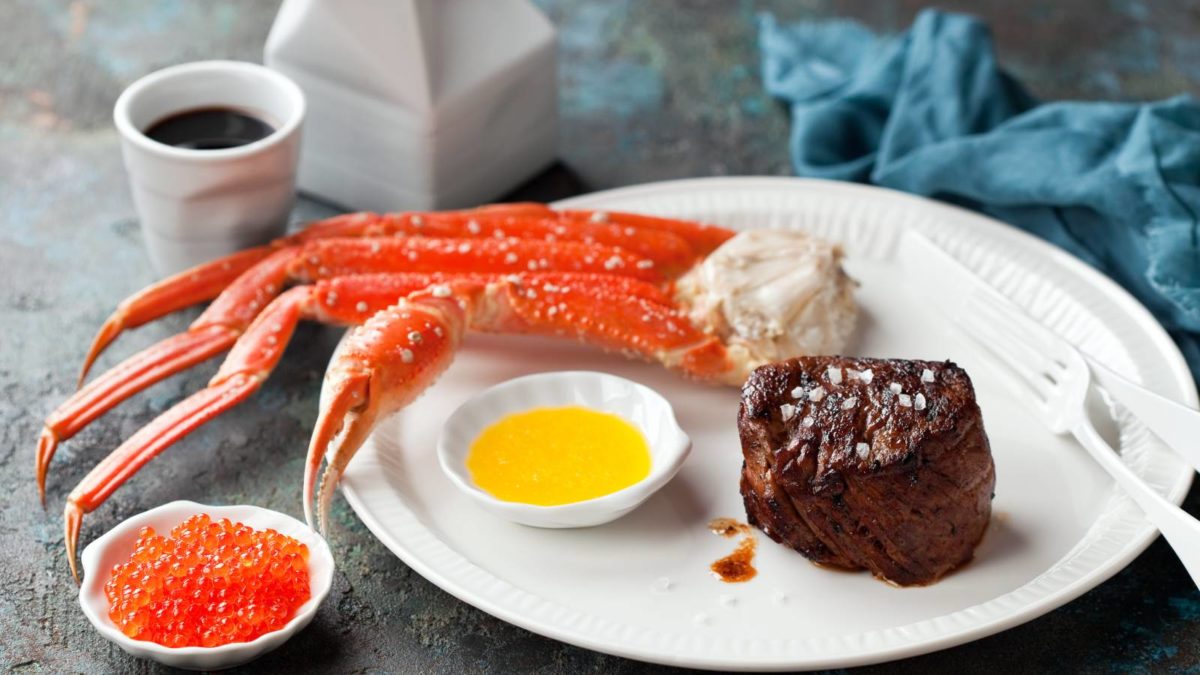
What’s more, while eggs have a small impact on TMAO excretion, seafood has a much larger impact. In fact, halibut generates over 53 times as much TMAO as eggs!
Therefore, if the supposition were true that animal foods elevate TMAO levels – and high TMAO levels cause heart disease – then people who eat more fish should have high rates of heart disease. Of course, the research shows just the opposite!
In fact, both observational and controlled trials show that eating cold-water, fatty fish reduces the risk of death from heart disease.
So, what might be happening here?
Animal-Based Diets Cause Positive Shifts to the Microbiome
A recent study conducted at Oregon State University may have found the missing puzzle piece…
Lead researcher, Veronika Kivenson, PhD, the study’s lead author says:
“The connection between TMAO and cardiovascular disease has tended to focus on how animal-based diets cause negative health consequences. But data from foundational gut microbiome studies provides evidence that one type of bacteria associated with meat consumption can take the TMA, as well as precursors to TMA, and metabolize them without producing any TMAO. That means those bacteria are in effect severing a key link in the cardiovascular disease chain.”
This bacteria – called Bilophila – is more prevalent in healthy people compared to those with cardiovascular disease. And guess what (quoting again from Dr. Kivenson)…
“Bilophila numbers go up in response to a diet based on meat compared to a plant-based diet”
Reductionist Thinking… Wrong Conclusions
Like so much in life, context matters. Our bodies are in a constant state of flux, with a multitude of inputs. And all of these multi-variable inputs have an impact our microbiome… and ultimately our biochemistry.
Unfortunately, many studies seek to blame one food, one compound or one metabolite for their impact on disease risk. In reality, there is so much more at play!
We’ve seen this happen with the vilification of saturated fat, cholesterol and even salt.
So, while it can be enlightening to pay attention to modern scientific research and its interpretations… you are better off to follow the wisdom of those who came before us. Consume the foods that are in alignment your genetics… and those that were prized by your ancient ancestors.
You will find wild and naturally raised animal products at the top of that list. And you will also find that Mother Nature has provided everything we need for health and vitality… and nothing we don’t!


Leave a Reply