

When it comes to modern day epidemics, “chronic diseases” like cancer, heart disease and diabetes take the spotlight – for good reason. These preventable illnesses are leading causes of death worldwide.
But there is another epidemic, which causes untold suffering for millions of people. And it doesn’t get the attention it deserves. I’m talking about the “Syndrome Epidemic”…
A syndrome is defined as, “a group of symptoms that consistently occur together.” As the definition indicates, a syndrome is not a true diagnosis. In fact, it is actually an admission that doctors have no idea what is really wrong with you… so they create a label for a group of symptoms.
For example, consider “Chronic Fatigue Syndrome.” It might as well be called “You’re Always Extremely Tired & Your Body Aches Disease.” Or consider “Irritable Bowel Syndrome”, otherwise known as “You Have Bloating, Gas & Diarrhea (or Constipation) and We Don’t Know Why Disease.”
Of course, hand in hand with the syndrome epidemic are autoimmune disorders. According to the National Institutes of Health, over 23 million people in the United States alone are diagnosed with autoimmune disease (while millions more suffer undiagnosed).
What are the Symptoms of the “Syndrome Epidemic”?
The constellation of symptoms we’re talking about include everything from chronic pain, fatigue and weakness… arthritis and painful, swollen joints… psoriasis, hives and rashes… migraines… chronic sinus problems… hair loss… cold intolerance… brain fog, anxiety and depression… and of course a range of painful and embarrassing digestive troubles.
With such a wide range of ailments – and the fact that many people present all of these symptoms at once – it’s no surprise conventional medicine has few answers for this growing epidemic. Most doctors prescribe a basket of prescription drugs, each one aimed at suppressing a particular group of symptoms.
This approach rarely works. And it often makes things worse, as a host of side effects blend in with the already debilitating symptoms.
Some people find great benefit by switching to the meat-and-vegetables diet of our Paleolithic ancestors. This is especially true for those who were previously on a typical diet, including grains, sugar and a variety of processed foods. However, there are many people whose symptoms do not improve on a traditional Paleo Diet.
But there is a very controversial diet that is growing more popular by the day. This diet has already helped thousands of people – and possibly soon millions – to put a lifetime of debilitating symptoms into remission (often in a matter of just two weeks). It has also helped many people to shed fat faster than any other way of eating.
But before we get to that, let’s address a surprising dietary dilemma…
What if the Plants You’re Eating are Making You Sick?
When it comes to health, we are constantly encouraged to “eat more fruits and vegetables.” We are fed the message that a “plant-based diet” is the healthiest for everyone. (Though, please don’t forget that nearly every processed junk food in the grocery store is “plant-based” – so take that with a grain of salt.)
Of course, some people do well on a plant-based diet. But not everyone does…
In fact, what if the plants we’re eating actually contribute to inflammation, digestive distress and hormonal dysfunction? What if these “plant foods” are the leading cause of leaky gut and a primary factor in the rise of autoimmune disease?
The fact is that while our basic human biology is the same, at a biochemical level we are all unique. Each of us has key differences in our genetics, microbiome, hormonal and immune systems that impact how we react to food.
This is why broad statements like “eat more plants” can be both dangerous and irresponsible.
Yes, I said dangerous…
For example, the American Journal of Kidney Diseases recently published a report of a woman who “developed acute kidney injury that progressed to end-stage renal disease” as a direct result of following a “Green Smoothie Cleanse.”
Of course, this doesn’t mean that vegetables are unhealthy. And it doesn’t mean you should necessarily avoid green drinks. But it does clearly illustrate that the reactions we have to food are different for everyone. Foods that are healthy for one person might be quite toxic to another.
More on this in a moment, but first, please consider…
Is it possible that a meat-only diet could help reverse autoimmune disorders, quell inflammation, restore hormonal balance and alleviate suffering for millions of people?
The answer may surprise you!
Today, we explore the makings of the carnivore (or zero-carb) diet… how plant foods can “bite us back”… and the stories of people who are finding extreme relief (and six-pack abs) by subsisting on meat alone.
The Meat-Only Diet: A Diet That Doesn’t Bite You Back
I have to admit that the concept of subsisting on meat alone is one that seriously challenged me.
My educational background is in biology and chemistry. For the last 20 years of my career, I’ve studied nutritional biochemistry. In addition to being a recovering vegetarian, I’ve written a dozen books and hundreds of articles on the subject of nutrition (many of which focus on the nutrients in plants)…
But I was also very sick during parts of my life (sometimes for years at a time).
And it wasn’t meat that made me sick… it was plants!
Love Instant Pot Recipes?
Get Your FREE Instant Pot Paleo Recipes Book Here
My journey to health began when I discovered 14 plant foods to which I had developed either an intolerance or full blown allergy. It was these “plant foods” that caused inflammation in my digestive tract. This led to a “leaky gut” – which allowed undigested food particles and other immune-stimulating compounds to enter my bloodstream.
As a direct result, I later developed an autoimmune condition as well as an overgrowth of bacteria in my small intestine (SIBO).
So, how did I find relief? I got better by following specific nutritional protocols and by removing quite a number of “plant foods” from my diet. I now believe I would have improved much faster if I had removed ALL plant foods from my diet (at least for a period of time).
Before we get to the potential benefits of the carnivore diet, it’s critical to understand that…
Plants Don’t Like to Be Eaten!
One of the arguments for a vegan diet is that it’s cruel to eat animals. After all, every living creature strives for self-preservation. They argue the world would be a much better if we would just leave the animals alone.
The truth is that nothing likes to be eaten… including plants!
Animals have the ability to defend themselves from predation or make a speedy escape. Plants do not have the same abilities, but they do have protection mechanisms. At the slightest nip of a leaf, plants release chemicals that can irritate or poison predators – the plant’s version of an immune response.
In fact, researchers at the University of Missouri recently showed that plants don’t even have to be damaged to mount a defense. The mere sound of caterpillar “munching vibrations” caused plants under study to ramp up production of mildly-toxic mustard oils. (Ref)
The problem is that plant defenses take affect after you have consumed them. And for many people the results of a plant-rich diet can be pain, inflammation and debilitating autoimmune diseases.
The examples of plant toxins and anti-nutrients are voluminous. But let’s review some of the common edible species and the compounds within them known to have health-harming effects:
- Nightshades: The solanaceae family of flowering plants includes a number of species that are outright poisonous. But the nightshade family also includes tomatoes, potatoes, peppers, eggplant and goji berries, which are well known to promote inflammation and joint pain in some people.
- Phytic Acid: A natural substance found in plant seeds (including grains and legumes). This compound is known as an “anti-nutrient” for its ability to bind to minerals. Phytic acid impairs the absorption of iron, zinc, calcium and other minerals and can promote mineral deficiencies.
- Oxalates: Compounds found in dark leafy greens, such as spinach, kale and other “superfoods.” Most people can break down oxalates in the gut. For others, however, these compounds turn into sharp crystals and can lead to chronic pain, inflammation, oxidative stress, kidney stones and autoimmune disease.
- Lectins: These plant compounds can promote leaky gut, alter the microbiome, stimulate the immune system and trigger inflammation. The highest levels are found in whole grains, legumes and dairy.
- Salicylates: These are naturally-occurring pesticides that plants use to protect against insects, fungus and bacterial infection. In humans, they can cause a wide range of symptoms from tinnitus to ulcers. High concentrations are found in avocados, berries, grapes, almonds, honey, dried fruits and many spices
- FODMAPs: Though not technically a defense mechanism of plants, these compounds are a collection of short-chain carbohydrates that are not properly absorbed in the gut. FODMAPs can cause severe digestive distress for some people. High-FODMAP foods include a wide range of fruits, vegetables, cereal grains, condiments, drinks and dairy foods.
- Saponins: Anti-feedant compounds that protect many plants from predation by insects, microbes and fungi. Saponins have soapy, foaming characteristics. They promote leaky gut and can cause bloating, gas, nausea and diarrhea. Legumes (soy, beans, peas and lentils) as well as quinoa are rich in saponins.
- Goitrogens: These compounds can reduce iodine uptake in the thyroid gland and slow the production of thyroid hormones. The result can be an enlarged thyroid (goiter) and a host of metabolic disturbances. The most common plant goitrogens are compounds known as glucosinolates, found in broccoli, cauliflower, Brussels sprouts, cabbage, kale, arugula, radishes, turnips, collard greens, bok choy and other similar vegetables.
- Phytoestrogens: These naturally-occurring plant chemicals have a molecular structure quite similar to estrogen. Used as a natural defense against herbivores, they can disrupt animal fertility. In humans, phytoestrogens can cause hormonal dysfunction and may promote cancer. These compounds are most common in soybeans, flax and sesame seeds.
- Prolamins & Glutelins – Consisting of a wide range of proteins, used by plants to store energy in seeds. This group of compounds are the primary environmental factors in causing Celiac disease. Found primarily in grains and rice.
I would be the last person to say that there are no benefits to eating plant foods. But it is important to understand that there can be a dark side. Not all plant foods are right for all people all of the time.
If you’d like to learn more about the “dark side” of plants – and the tremendous benefits many people experience on the carnivore diet, we highly recommend the new book, The Carnivore Code, by Dr. Paul Saladino, MD.
Dr. Saladino practices what he preaches and he’s one of the rare physicians who will follow the truth wherever it leads. In his book, he dispels then myths demonizing meat with science and reason. He also presents compelling research that many of the “nutrients” we think of in plants are actually “phytoweapons” and can pose a real risk to our health.
The Carnivore Code is deeply researched, extensively referenced… and written in a way that’s easy to understand and accessible to all.
You can also visit Dr. Paul’s website at CarnivoreMD.
We also encourage you to check out the video presentation by Dr. Georgia Ede, MD from the 2nd Annual Ancestral Health Symposium, titled: Little Shop of Horrors? The Risks and Benefits of Eating Plants. (Ref)
Dr. Ede cites the meat-only / carnivore / zero-carb diet as very useful for managing the many “mystery syndrome” symptoms that do not respond to traditional Paleo or “elimination” diets.
And this is an important point, so let’s discuss…
The Problem with “Elimination” Diets And How “Meat Only” Could be the Solution
If you or someone you love has allergies, food intolerances, autoimmune disease or other health problems, there is a good chance you’ve heard of the “elimination diet.”
This is a diet that eliminates many of the most common dietary triggers. The user consumes only the foods on the “allowed” list for a period of time – usually a month – and then reintroduces potential trigger foods one at a time adding a new food every few days.
This last part is important, because many food reactions take three to or four days to manifest (this is known as delayed hypersensitivity). As each new food is reintroduced, the user records how they feel and any reactions they experience. This can be quite effective at determining which foods are best for YOUR body.
But there are some significant challenges and drawbacks to the typical elimination diet…
- While the most common trigger foods are usually eliminated, most “elimination” diets still include many foods which can cause problems for some people. This makes it difficult to truly isolate the foods that may cause you discomfort and contribute to poor health.
- With so many foods removed from the diet – and a random basket of foods remaining – many people are left wondering, “How do I turn these foods into meals and what the heck do I eat?”
The second challenge is why most people find elimination diets so difficult. They can’t make any of their usual recipes and don’t know what to make from the random assortment of “allowed” foods.
But imagine how much simpler an “elimination diet” would be if you eliminated everything except fresh meat (not cured).
With the exception of eggs, dairy, shellfish and sometimes fish… it is plants that cause problems for the vast majority of those with diet-related health issues. So, if you’re going to follow an elimination diet, it is easier (and more effective) to simply eliminate ALL plants, instead of picking and choosing.
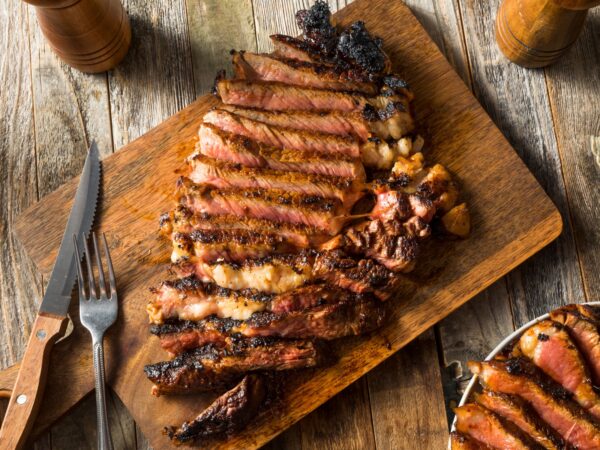
On a side note, you can turn even the healthiest foods into something decidedly unhealthy, depending on how it is prepared. For example, grilling and charring meat can cause cancer-causing compounds to form. So, while it can taste delicious we don’t generally recommend cooking meat this way. One of our favorite ways to cook meat is low and slow in the Instant Pot pressure cooker.
Love Instant Pot Recipes?
Get Your FREE Instant Pot Paleo Recipes Book Here
The stories of those who have healed their bodies on a meat-only diet – often after enduring years of debilitating and mysterious illnesses – are numerous. In fact, most people who follow the Carnivore Diet are not just surviving, they seem to be thriving. And those who have sought objective lab data show biomarkers consistent with health and vitality.
And there is no shortage of physique transformations either!
Stories of Healing (and Adonis Physiques!) on a Meat-Only Diet
Dr. Shawn Baker, MD is an orthopedic surgeon, a pure carnivore and a physical specimen at 51 years of age. He is one of the leading proponents of the meat-only diet and encourages people to experiment and share their stories on his website, Meat Heals.
Dr. Baker says:
“A clear lack of progress in combatting diseases of lifestyle, the specter of bias and frequently confusion in the literature has led many to take matters into their own hands, often with excellent results and often being at odds with traditional recommendations.”
We’re also quite impressed by the experience of Mikhaila Peterson. In this post on her blog she describes her health history, which includes 20 years of intense suffering, which began when she was just a toddler. It was a strict elimination diet that finally helped her experience relief. But it wasn’t until she eliminated everything but meat that she truly felt well.
If you’re considering this diet to see how it makes you feel, I encourage you to check out these the sites above, where you can find before-and-after pictures, comments and testimonials from people whose lives have been changed forever by the carnivore diet.
The Zero-Carb Diet: What to Eat?
I am not suggesting that you or your loved ones embark on a meat-only diet for the rest of your life.
Humans have always been opportunistic feeders. I don’t think a mono-diet is optimal for most people. And I believe there can be great benefit from the cancer-fighting, antioxidant, anti-inflammatory compounds in many plants.
But it might be a valuable experiment to try for a few weeks or months, especially if:
- You have stubborn fat to lose
- You suffer from autoimmune illness or “syndrome” with a constellation of symptoms
- You know that you have a range of food allergies and intolerances
So, what does a meat-based diet look like?
While some people add minimal dairy products like butter or cheese, most people who embark on this radical way of eating to improve difficult health issues are purists. They limit their intake strictly to meat (with mineral-rich salt) and water alone… as well as coffee / tea if you don’t want to give those up.
Here are the meats recommended on the carnivore diet:
- Red Meat: Beef, pork, lamb, wild game
- Seafood: Fish and shellfish*
- Poultry: Chicken, turkey, ostrich, emu
- Organ Meat: Liver, kidneys, tongue, bone marrow, spleen, thymus (sweetbreads)
- Eggs*: Chicken, goose, duck, quail
* Because egg whites and shellfish have allergenic potential, those with autoimmune issues, allergies and food intolerances often choose to avoid these foods on the meat-only diet.
What’s more, many meat-only diet enthusiasts find they react to certain types of meat – like pork or certain fish – so it’s important to listen to your body and pay attention to your symptoms. Most people do best with beef and lamb.
On the carnivore diet, it’s important to eat to satiety (no calorie counting), add high quality sea salts to your food and be sure to choose fatty cuts of meat. Here are a few (very simple!) meal ideas:
- Crispy Oven-Roasted Pork Belly with Maldon Sea Salt (To make in accord with the Carnivore Diet principles, simply pressure cook in bone broth, sear in duck fat and sprinkle with sea salt – omit the other ingredients in recipe)
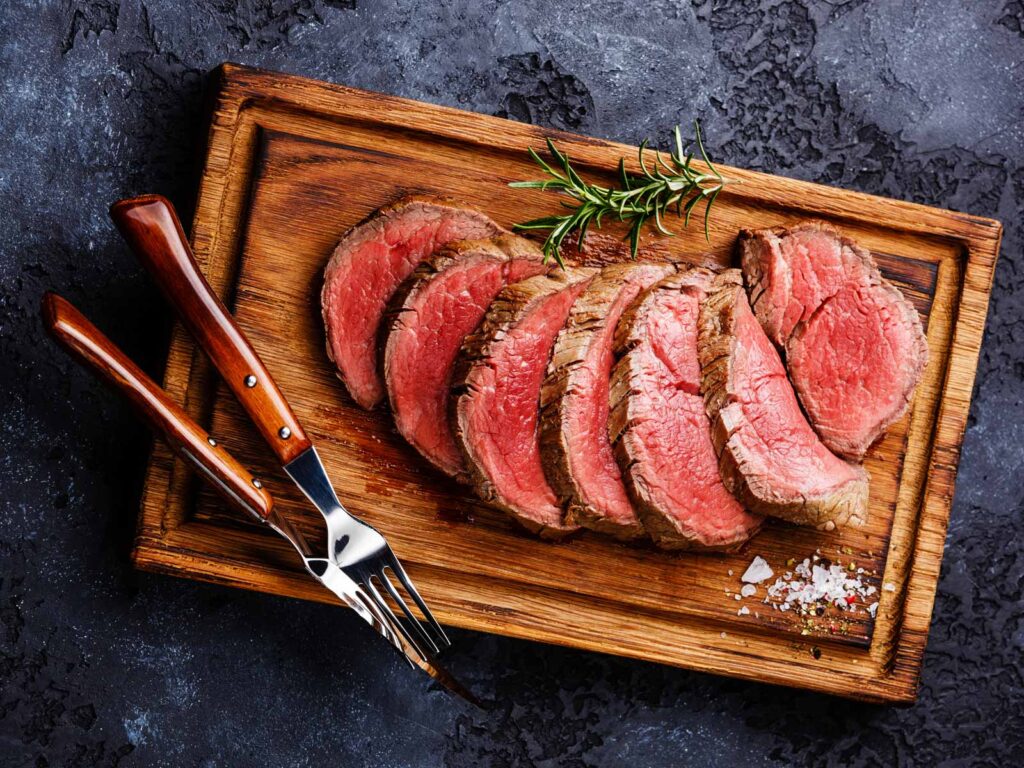
- Ribeye with Redmond Sea Salt
- Broiled Wild Salmon
- Roasted Bone Marrow with Smoked Maldon Sea Salt
- Grilled Lamb Chops with Celtic Sea Salt
Do you have nagging health symptoms that haven’t resolved on a Paleo or keto diet? Would you be willing to give the carnivore diet a 30-day challenge? What do you think about the information in this article? We want to hear from you… please leave your comments below!
P.S. We anticipate that those who object might say, “What about the myriad of micronutrients in plants that you would miss on a zero-carb diet?” Our response is that the most nutrient-dense food we can consume is meat. And there are organ meats, such as liver, which supply even greater concentrations of nutrients than muscle meats. And, again, we are not necessarily recommending this as a diet to follow for life (although some people do).
As to the FDA’s Recommended Daily Intake (RDI) of certain nutrients, it also is important to remember that those guidelines are created for a population that consumes a high-carb, Standard American Diet – a diet which fundamentally converts your metabolism to that of a “sugar burner” and alters your nutritional requirements.
Gabriel Charles of the blog, Keto Kulture, writes:
“To say that a carnivore is nutrient deficient, based on the FDA’s RDI requirements, is like saying a Tesla Model-S is missing spark plugs.”




Hi Kelley- Most excellent material you have provided! I am very early into a ZC diet after stumbling into carnivore diet info a few weeks back. I’m a 58 yr old healthy male who has battled IBS-D for a long time but never knew why or even what it was. Meals away from home became very worrisome for obvious reasons. Complete confusion regarding what to eat, when and where. However, things are looking up! Today I have been on ZC diet since Jan 3 2019 and have not had a single IBS moment. Very low gas and zero discomfort inside my gut with only a single poop per day or less. I still enjoy my evening red wine and morning black coffee. My diet is heavy eggs, bacon, steak, pork, cheese, butter, fish and shrimp. NO carbs NO plants! My energy level is as strong as it ever was if not better. Not to mention my confidence is high that I can now enjoy meals out in public w/o having to plan my emergency escape route!! I would have never believed the results without experiencing this for myself! Almost too good to be true!
Hi Mark,
Fantastic! Thanks for sharing your experience. I’m so glad you are feeling better and found a way to heal yourself with diet. We’d love to hear back from you with updates, if you are so inclined.
Hi everyone, this is a fantastic thread, thanks so much for providing the information and all the comments and updates from everyone. I am 8 days into carnivore but have not lost weight, in fact I’ve stayed right where I was, which is annoying to me. I am 51, active, but I have celiac and hypothyrodism, so this NC diet plan is just an excellent choice for me. So far, I have noticed: 1. no drop in energy levels 2. no fuzzy afternoon sleepiness, that must have been a carb thing 3. sharp mindset, but also a bit cranky – I was a big sugar junkie so that may be it 4. most or all cravings seem to have disappeared with the exception of missing dark chocolate 5. hunger has taken a nosedive. But please can you tell me, why am I not losing weight? I would like to drop 10 lbs to be optimal. And since being celiac puts me at a higher risk of osteoporosis, I am concerned about bone density moving forward, can you advise on this? I feel fine, I believe this dietary lifestyle has huge merits, although it is hard not to listen to the terror in the back of my head coming from decades of people saying no plants = cancer and other terrible things. I am still taking calcium and other vitamin supplements, I use heavy cream in my tea with a touch of honey – is that what is messing me up?
Would someone with osteoporosis benefit from the carnivore diet as far as the condition itself? I understand d3, k2, mag, etc. are all critical in proper calcium, but this diet does not seem to provide enough calcium itself, or am I mistaken?
FISHING for the Right Fished Any wisdoms here would well be appreciated, especially from the Herring (just a yoke!to add bit levity. We’re told eat small fish to avoid mercury, eat wild fish for healthier fish or whatever, watch out for radiation, (and wht exactly and how reliable r those certifications on the packaging if frozen (ethically and properly etc etc), avoid fish having gone thru China, and now we have been told by Dr. Ede in her excellent article on the terrible effects of Histamines to exclude another long list of fishes (including once trusted salmon and sardines) So r there any safe fishes and with those “safe fish” does one still have to limit the consumption per week? As to the yoke i will keep eggs away at least for the first month or so and then challenge as to sensitivity…….thks
Hi Ronaldo!
I love your humor – thanks for bringing your levity along with your intelligent questions to Healing Gourmet.
You are on the right track here. Our oceans have become increasingly polluted, making fish a potentially dangerous source of many harmful substances (PCBs, hot particles, mercury, etc). Sticking with smaller fish is a great first step. Their shorter life cycle and non-predatory nature make them naturally lower in said contaminants. Also, purchasing from a reputable company – like Vital Choice – which tests their fish is also important. Packaging, also as you note, is an important consideration. For example, BPA or BPS-lined cans that typically are used for sardines, mackerel, etc. In the case of plastic (which I vehemently limit), I believe flash-frozen fish poses less of an issue as the process is done without heat (as compared to say, a ready-pack soup where the soup is cooked and placed in the plastic packaging).
Histamines are another topic, and one with which I am quite familiar. My genetics show I am less tolerant of histamines/poor at clearing them. The result for people like me (and possibly you, since you mention this), is that out “histamine bucket” gets filled and we develop an array of symptoms. Check out Debbie Moon’s info on histamines at Genetic Lifehacks – she’s incredible! Along that same vein, histamines increase over time in foods. So, for example, if you leave a steak to marinate in the fridge overnight it will contain more histamines than if you cooked it fresh. Since freezing arrests development of histamines, purchasing flash frozen meats is one way to potentially reduce these compounds in your dinner. Similarly, eating the meal you prepare in one sitting – and avoiding leftovers (or freezing them, per the logic above) – can help reduce these potentially pesky substances.
We live in a world where we simultaneously are exposed to more potentially-harmful substances… and we have a lot more information available about our own personal sensitivities due to genetics, microbiome, etc. I think it is important to strike a healthy balance by identifying and avoiding those things that are most problematic for YOU as an individual. It might be histamines due to your genetics or unhealthy microbiome… it could be mercury due to the MTHFR gene mutation, etc!
I hope this helps and thanks again for your great questions!
Kelley
Hi Kelley
You and your US readers may or may not know that there are current trials in Australia (Tasmania I think) on a product which is being developed to remove heavy metals from seawater. The results so far have been very promising, but as with all research and trials, there is a long way to go yet. With fewer toxins and heavy metals in the water, both farmed and wild salmon etc should be far safer for human consumption. Australian waters, to the best of my knowledge, have less mercury than other places where salmon is caught and any reduction has to be a real bonus for our health.
Cheers Vony
Too much weight losing: im about 5ft 10.5 age 75 have fibro, br fog,, cfs, mcs, hearing sensitivity, probably out of wack autonomic nervous system PN IBS was about 180 lbs but gradually gone down weight last 5 years first low fodmap for too long about 2 yrs, then last 1.5 yrs IMF myto plan form of ketosis diet, and now prepping for an all carnivore but even here losing weight and cold as only eating a few easier veggies until i return to my home city in Canada in about one week where i will get preparatory blood work at least insulin resistance and glucose intolerance before to zero carbs 100% carnivore elimination challenge BUT continue to lose weight and am cold even tho here in Mexico but mainly in Feb as it is cooler now after a warm Jan – down probably to around 155 lbs and still losing and do really want to gain some lbs back. So the question is how do i stop the weight loss and reverse it on the Carnivor diet when it seems 98% r losing weight and happy about it – is the only answer eat a higher % of fat and if so how does one measureor guage if consuming sufficient FAt on this diet – same with sufficient protein which i was told to raise on keto diet to gain weight.
Hi Kelley, I have a skin disease called Psoriasis, will this keto diet helps to get rid of it, please suggest, thanks
I have tried this diet and didn’t feel well on it. It also didn’t cure my autoimmune disease, I still have it.
Hi Andrea,
Thanks for your comment.
Of course, we have never made claims about “curing” anything, but healing from autoimmune disease is not a quick process. The immune system is very complex, as is the microbiome.
I’m interested in how long you did the diet. Did you do blood work before, during and after?
I have done Keto diet for a few months but the recipes use too much soft dairy .i.e. cream cheese, cottage cheese, rocotta etc. and my system couldn’t handle that. I did feel better . This is intriguing and I think I will try it for a while and see how I handle the cooking, snacking aspect. Also I need to cook for my family and they won’t go for no veggies or grains. 🙂 But still, I like the idea for a short time at least. Thanks.
Hi Page,
The dairy-heavy keto diet is one of my pet peeves about how keto is typically done. Don’t get me wrong – those foods are delicious, and I think on occasion they are fine for some people.
But most people who embark on keto end up eating way too much dairy. And unfortunately, dairy is rich in casomorphins, histamines and other compounds that can cause discomfort, inflammation and even disease in the long term.
I created a dairy-free keto meal plan called The Keto Solution that allows you to make one meal and eat several times, saving time and money. It’s how we eat in my household and has been a real sanity-saver for me.
We’d love to hear how your carnivore trial goes, please come back and let us know!
Kelley
What happened to the old well-balanced diet?
Grass-fed meat, bio organic fruit and vegetables, fish that’s not been pumped full of antibiotics in a tank and healthy water . A varied diet based on the latter does no harm. The problems started when everything was sprayed with chemicals. I’m
Sorry but I find the whole thing ridiculous and lacking common sense. If we eat clean healthy food , and cut out all the processed food and refined sugars, we will not be sick.
Kate,
Saying “A varied diet based on the latter does no harm” is an ignorant and potentially dangerous statement that lacks the scientific approach. Further, your statement that “If we eat clean healthy food , and cut out all the processed food and refined sugars, we will not be sick” – is far too simplistic.
There are hundreds of examples of how a “varied” diet” and so-called “healthy” foods can cause symptoms and diseases. Similarly, how choosing to consume bio-individually “safe” foods can ease symptoms and mitigate – and even reverse – disease, in some cases.
Of course, pesticides and other chemicals that are foreign to our ancient DNA and harm our endocrine system and cellular health are a problem for everyone. And we should avoid them. But we now have reams of research on bio individuality, the microbiome and how our own DNA impacts our dietary needs. One man’s meat is another man’s poison.
The floor is always open here to those who want to have intelligent, open-minded discussions about diet and health. But to disparage an idea because you don’t understand it, or didn’t take the time to research, isn’t helpful to anyone or to the pursuit of knowledge. And that’s what we’re going for here.
Kelley
What an incredibly rude reply. I’ve followed the latest food summits and been researching nutrition for two years . Johnathan Otto’s excellent webinars were inspirational. Dr Nuzum, whose detox protocols are outstanding, is incredibly enlightening . Ocean Robbins and his father also amazing. Dr Hayman. Dr Perlmutter and so many other highly trained experienced functional doctors, oncologists and other specialists, generously shared their knowledge and experience. The bottom line is we live in an incredibly toxic world. We are what we digest and the brain-gut connexion is now undisputed. While there is obviously not ‘one diet that fits all’, many people suffering from obesity . MS, Alzheimer’s, autism, chronic fatigue…. to mention but a few of the many ailments people struggle with today, many would see their symptoms improve rapidly if they cut out refined suger, drank clean water instead of sodas and ate bio organic food. Get rid of junk food, genetically modified organisms and seek help from a functional doctor who will address the root cause and not just the symptoms Learn how to read labels , as so much of food deemed healthy is in fact poisoning people’s bodies . Yes, it’s much more complex, but to start with that already, would not be harmful. The emotional problems must obviously be treated as well. You obviously misunderstood my point. I fully understood everything I read and was not disparaging any of the ideas.
Far from it!
That is a much more thoughtful response than your last one. But I still think you have missed the point of this post on the carnivore diet and its therapeutic uses, which is the purpose of this page.
The vast majority of people who are considering a strict elimination diet like carnivore are much farther along on the nutrition curve than the “average American” and have already eliminated soda, junk food, refined foods, sugar, etc.
Your statement that “I find the whole thing ridiculous and lacking common sense” is the definition of disparaging. Your statement that “A varied diet…does no harm” is ignorant and potentially dangerous.
Dr. Hayman? Not familiar, perhaps you mean Dr. Mark Hyman?
Hi All
I was wondering has there been any long term results on cholesterol?
I have done on and off for 6 months then a break and then back on and my cholesterol went up, I was using coconut oil for cooking etc, so interested in any feedback
thanks
PS I love meat
Hi Kevin,
Your genes play a role in determining your personal response to saturated fat in food… and how it impacts your cholesterol.
In general, saturated fats raise HDL (the “good”) cholesterol and change LDL from small, dense (bad) particles to large fluffy LDL particles, which is mostly benign. Triglycerides are the dangerous kind of cholesterol, produced in response to sugar and carbs (not fat!) and you should see these going down with a low carb, keto or carnivore diet.
Would love to hear from others how their specific cholesterol types changed!
Kelley